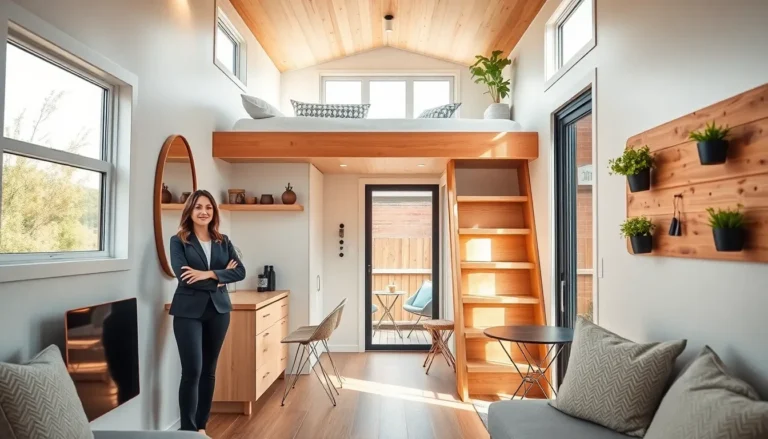
This interior design trends guide breaks down the styles and ideas shaping homes in 2025. From warm minimalism to sustainable choices, homeowners and designers are rethinking how spaces look, feel, and function.
The best part? These trends aren’t about following rules. They’re about creating spaces that feel personal, practical, and beautiful. Whether someone is planning a full renovation or looking for small updates, understanding current interior design trends helps make smarter choices.
Let’s explore what’s defining home design this year, and how to make these ideas work in any space.
Table of Contents
ToggleKey Takeaways
- Warm minimalism dominates 2025 interior design trends, blending clean lines with natural textures, soft curves, and earthy tones for cozy yet sophisticated spaces.
- Bold colors like deep greens, terracotta, and burgundy are making a comeback—balance statement pieces with neutral surroundings for maximum impact.
- Sustainable design has gone mainstream, with recycled materials, vintage furniture, and biophilic elements becoming essential choices for eco-conscious homeowners.
- Multifunctional spaces and smart home integration address modern needs like remote work while keeping technology seamlessly hidden within thoughtful design.
- Start small when incorporating interior design trends—swap accessories, add plants, or update hardware before committing to major renovations.
- Personalize your space by mixing current trends with timeless pieces and meaningful objects that reflect your lifestyle and story.
Warm Minimalism and Organic Materials
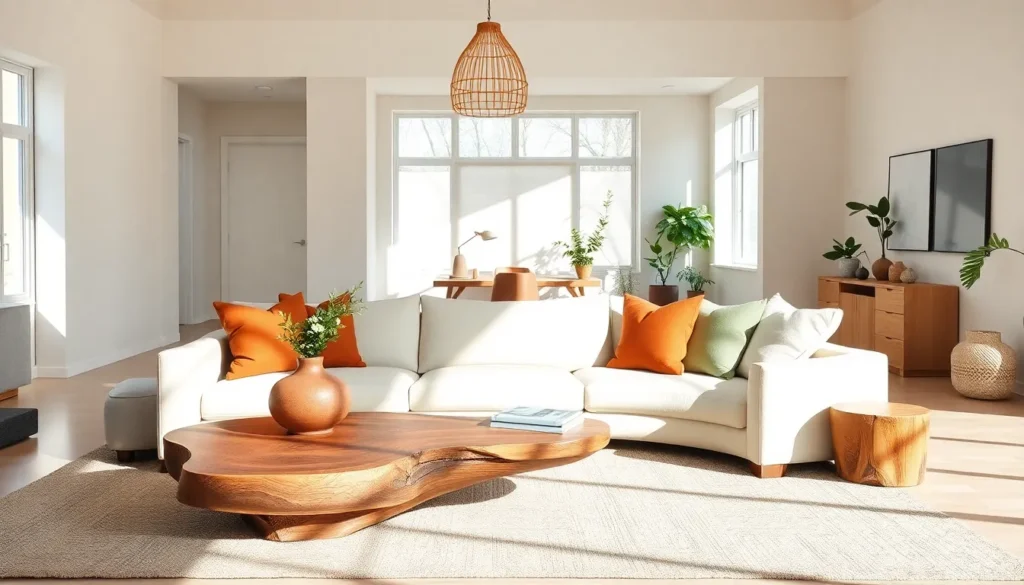
Cold, stark minimalism is fading. In its place, warm minimalism has become one of the defining interior design trends of 2025. This style keeps the clean lines and uncluttered spaces people love, but adds warmth through natural textures, soft curves, and earthy tones.
Think cream-colored walls instead of pure white. Curved sofas instead of sharp-edged furniture. Linen curtains that move with the breeze.
Organic materials play a huge role here. Wood, stone, rattan, and wool bring texture and character to rooms without overwhelming them. A live-edge dining table or a hand-thrown ceramic vase can serve as a focal point while keeping the space calm.
The psychology behind this trend makes sense. After years of spending more time at home, people want spaces that feel cozy and grounding. Warm minimalism delivers that feeling without sacrificing sophistication.
Designers recommend starting with a neutral base, think warm whites, tans, and soft grays, then layering in natural materials. The goal isn’t perfection. It’s creating rooms that feel lived-in and welcoming.
Bold Color Palettes and Statement Pieces
While warm minimalism dominates many spaces, bold color is making a serious comeback. This interior design trends guide wouldn’t be complete without mentioning the return of rich, saturated hues.
Deep greens, terracotta, burgundy, and navy blue are appearing on walls, furniture, and accessories. These colors add personality and drama to rooms that might otherwise feel generic.
Statement pieces are equally important. A sculptural light fixture, an oversized piece of art, or a vintage armchair in an unexpected color can transform a room. These items give spaces character and serve as conversation starters.
The trick is balance. Bold doesn’t mean chaotic. Designers suggest choosing one or two statement elements per room and keeping the surrounding pieces simple. A bright orange sofa looks stunning against neutral walls. A gallery wall of colorful art pops in a room with clean, minimal furniture.
Color-blocking, using large sections of contrasting colors, is another technique gaining popularity. It creates visual interest and can define different zones within open floor plans.
For those nervous about committing to bold walls, accessories offer a lower-risk entry point. Throw pillows, rugs, and artwork let homeowners experiment with color without a major investment.
Sustainable and Eco-Conscious Design
Sustainability has moved from niche interest to mainstream priority. This shift is reshaping interior design trends across every price point and style.
Recycled and upcycled materials are everywhere. Furniture made from reclaimed wood, countertops crafted from recycled glass, and textiles produced from plastic bottles represent just a few examples. These materials reduce waste while adding unique stories to homes.
Vintage and secondhand furniture is also surging in popularity. Beyond the environmental benefits, vintage pieces bring character that mass-produced items simply can’t match. A mid-century credenza or antique mirror adds depth and history to any room.
Energy efficiency plays a role too. LED lighting, smart thermostats, and improved insulation aren’t just practical, they’ve become design considerations. Many homeowners now factor long-term sustainability into their renovation decisions.
Biophilic design, incorporating plants and natural elements, continues to grow. Indoor plants improve air quality and create visual connections to nature. Living walls, herb gardens in kitchens, and large windows that maximize natural light all fall under this trend.
The sustainable interior design trends movement also emphasizes buying less but buying better. Quality pieces that last decades beat cheap furniture that ends up in landfills after a few years.
Multifunctional Spaces and Smart Integration
How people use their homes has changed dramatically. Remote work, hybrid schedules, and smaller living spaces have made multifunctional design essential.
Home offices that double as guest rooms, dining tables that serve as workspaces, and living rooms designed for both relaxation and exercise reflect this reality. Furniture manufacturers have responded with innovative pieces: Murphy beds with built-in desks, expandable dining tables, and modular sofas that reconfigure for different needs.
Smart home technology has become seamlessly integrated into interior design trends. Voice-controlled lighting, automated window treatments, and hidden charging stations keep technology present but not dominant. The best smart homes don’t look like tech showrooms, they look like thoughtfully designed spaces where technology supports daily life.
Zoning matters more than ever in open floor plans. Rugs, lighting changes, and furniture arrangement help define separate areas for work, rest, and socializing within single rooms.
Storage solutions have gotten smarter too. Built-in cabinets, under-stair storage, and furniture with hidden compartments help maintain clean aesthetics while accommodating real-life clutter.
Flexibility is the key theme. Spaces that can adapt to changing needs, whether that’s a video call, a dinner party, or a yoga session, provide the most value.
How to Incorporate These Trends Into Your Home
Knowing about interior design trends is one thing. Actually implementing them is another. Here’s how to bring these ideas into any home without overwhelming the budget or the space.
Start small. A new throw blanket in an earthy tone, a few potted plants, or swapping out hardware on cabinets can shift a room’s feel without major renovations. Small changes add up.
Focus on one trend at a time. Trying to incorporate warm minimalism, bold colors, and smart technology simultaneously creates confusion. Pick the trend that resonates most and build from there.
Mix price points. An investment piece, like a quality sofa or dining table, can anchor a room while budget-friendly accessories fill in the gaps. Vintage finds often offer better value than new items of comparable quality.
Consider the long game. Interior design trends come and go, but good design lasts. Choose classic silhouettes for big-ticket items and use trendier elements in easily changeable accessories.
Personalize everything. Trends provide inspiration, not rules. A home should reflect the people living in it. Family photos, collected objects, and inherited pieces add meaning that no trend can replicate.
The best interiors balance current interior design trends with timeless principles and personal style. They feel fresh but not forced, stylish but still comfortable.