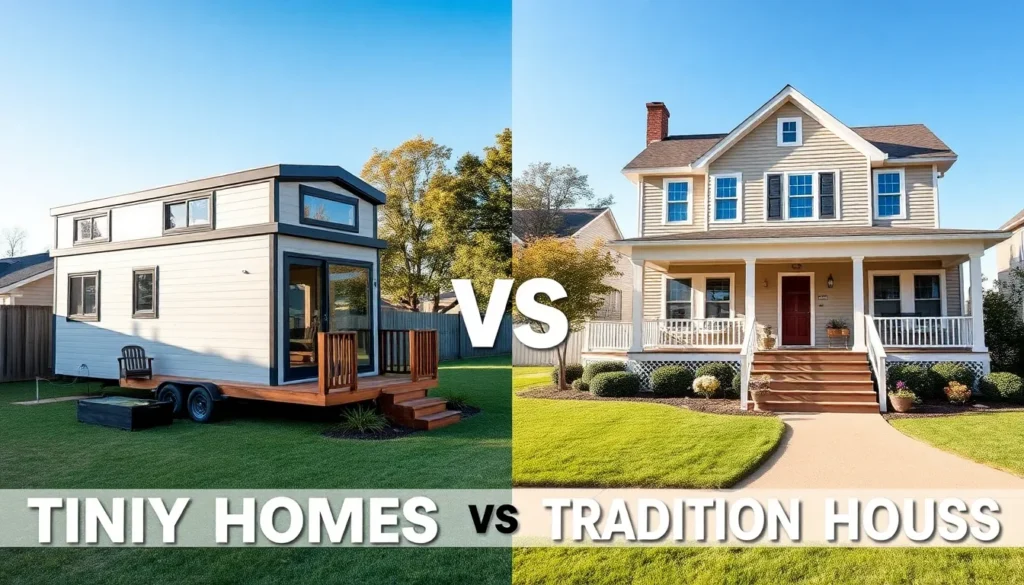
Tiny homes vs. traditional houses, it’s a debate that’s gained serious momentum in recent years. Rising housing costs, shifting priorities, and a growing interest in minimalist living have pushed many people to reconsider what “home” really means. Some want the freedom and simplicity of a compact space. Others prefer the square footage and permanence of a conventional house. Neither option is universally better. The right choice depends on budget, lifestyle, and long-term goals. This guide breaks down the key differences between tiny homes and traditional houses so readers can make an well-informed choice.
Table of Contents
ToggleKey Takeaways
- Tiny homes cost $30,000–$60,000 on average, while traditional houses carry a median price of around $400,000, making the financial gap significant.
- Tiny homes vs. traditional houses comes down to lifestyle priorities—minimalists and remote workers often thrive in small spaces, while families typically need more room.
- Monthly utility costs for tiny homes run $50–$100 compared to $200–$400 for traditional houses, reducing long-term expenses substantially.
- Tiny homes use approximately 10% of the building materials required for traditional houses, offering a smaller environmental footprint.
- Zoning laws and financing options favor traditional houses, so prospective tiny home buyers should research local regulations before committing.
- Neither option is universally better—the right choice depends on your budget, space needs, and long-term financial goals.
Understanding Tiny Homes and Traditional Houses
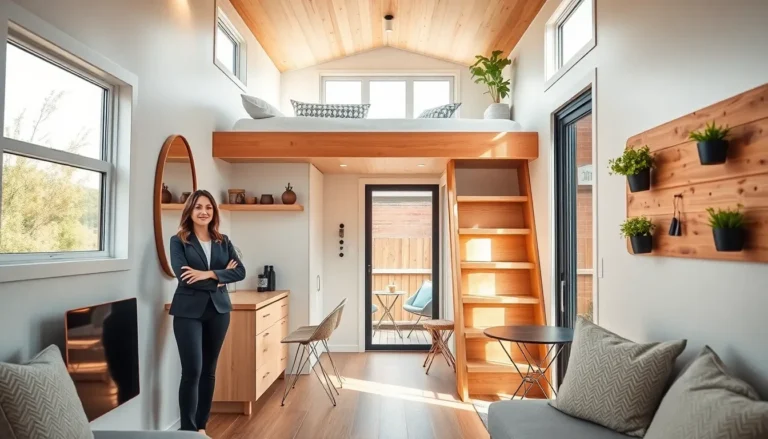
A tiny home typically measures between 100 and 400 square feet. These dwellings come in several forms: some sit on wheels for mobility, while others rest on permanent foundations. Tiny homes prioritize efficient use of space. Lofted beds, fold-down tables, and multi-purpose furniture are common features.
Traditional houses, by contrast, average around 2,300 square feet in the United States. They include separate rooms for sleeping, cooking, working, and entertaining. Most traditional houses sit on fixed foundations and connect to municipal utilities like water, sewer, and electricity.
The tiny homes vs. traditional houses comparison starts with these fundamental differences. Tiny homes offer flexibility and force residents to live with less. Traditional houses provide room to spread out and accumulate possessions over time.
Zoning laws also affect each option differently. Many municipalities have minimum square footage requirements that can make tiny homes difficult to place legally. Traditional houses generally meet standard building codes without issue. Prospective tiny home owners should research local regulations before committing to this lifestyle.
Cost Comparison: Initial Investment and Long-Term Expenses
Cost is often the primary factor in the tiny homes vs. traditional houses decision. The numbers tell a compelling story.
A professionally built tiny home costs between $30,000 and $60,000 on average. DIY builders can reduce that figure to $10,000–$30,000 with the right skills and materials. Traditional houses in the U.S. carry a median price of approximately $400,000 as of late 2024, though this varies significantly by location.
Initial Investment
Tiny homes require far less upfront capital. Many buyers pay cash and avoid mortgage interest entirely. Traditional houses typically require a 20% down payment plus closing costs, and most buyers finance the remainder over 15–30 years.
Monthly Expenses
Monthly costs favor tiny homes as well. Utility bills for a tiny home often run $50–$100 per month. Traditional houses average $200–$400 monthly for utilities alone. Property taxes, homeowner’s insurance, and maintenance costs also scale with home size.
Long-Term Financial Picture
Tiny home owners often achieve debt-free living faster. This frees up income for travel, investments, or early retirement. Traditional homeowners build equity in an appreciating asset, something tiny homes don’t always offer, especially mobile units. The tiny homes vs. traditional houses financial comparison depends heavily on personal priorities: freedom from debt or long-term wealth building.
Space and Lifestyle Considerations
Living in 200 square feet requires a different mindset than living in 2,000 square feet. The tiny homes vs. traditional houses choice fundamentally shapes daily life.
Who Thrives in Tiny Homes?
Tiny homes work well for singles, couples, and minimalists who value experiences over possessions. Remote workers with portable careers find them especially appealing. The small footprint encourages intentional living, every item must earn its place.
But, tiny homes present challenges. Storage is limited. Hosting guests becomes difficult. Couples may struggle with the lack of personal space during conflicts. Families with children often find tiny homes impractical beyond infancy.
Who Needs Traditional Houses?
Traditional houses suit families, collectors, and those who work from home in space-intensive fields. They accommodate guests, hobbies, and the general accumulation of life. Privacy comes easier when everyone has their own room.
The downside? More space means more cleaning, more maintenance, and more stuff to manage. Some traditional homeowners find themselves house-poor, spending so much on their home that little remains for other experiences.
The tiny homes vs. traditional houses lifestyle question comes down to this: Does the reader want to own their space, or does their space own them?
Environmental Impact and Sustainability
Environmental concerns increasingly influence housing decisions. Tiny homes vs. traditional houses present clear differences in ecological footprint.
Tiny homes consume fewer resources during construction. They require less lumber, concrete, and finishing materials. A typical tiny home uses about 10% of the materials needed for a traditional house.
Energy consumption follows a similar pattern. Heating and cooling 300 square feet requires a fraction of the energy needed for 2,300 square feet. Many tiny home owners incorporate solar panels, composting toilets, and rainwater collection systems. These additions can push tiny homes toward net-zero or even off-grid operation.
Traditional houses have improved their environmental performance in recent decades. Energy-efficient appliances, better insulation, and smart thermostats reduce waste. But, the sheer size of conventional homes limits how green they can become.
One complication: if tiny home owners drive frequently because they live far from work or services, transportation emissions may offset housing savings. Location matters as much as home size in the overall environmental equation.
For those prioritizing sustainability, tiny homes vs. traditional houses usually favors the smaller option, but thoughtful design and placement make the biggest difference.
Pros and Cons at a Glance
A quick summary helps clarify the tiny homes vs. traditional houses decision:
Tiny Homes Pros:
- Lower purchase price and potential for debt-free living
- Reduced utility and maintenance costs
- Smaller environmental footprint
- Mobility (for homes on wheels)
- Forces intentional, minimalist living
Tiny Homes Cons:
- Limited space for families or entertaining
- Zoning and legal challenges in many areas
- Difficult to finance through traditional mortgages
- Resale value can be unpredictable
- Requires significant lifestyle adjustment
Traditional Houses Pros:
- Ample space for families, guests, and hobbies
- Easier financing and clearer legal status
- Potential for equity growth and appreciation
- Room for life changes (new family members, home offices)
- Wider acceptance and resale market
Traditional Houses Cons:
- Higher purchase price and ongoing costs
- Greater environmental impact
- More maintenance and cleaning required
- Can lead to accumulating unnecessary possessions
- Often ties owners to specific locations
Neither option wins outright. The tiny homes vs. traditional houses debate produces different answers for different people.