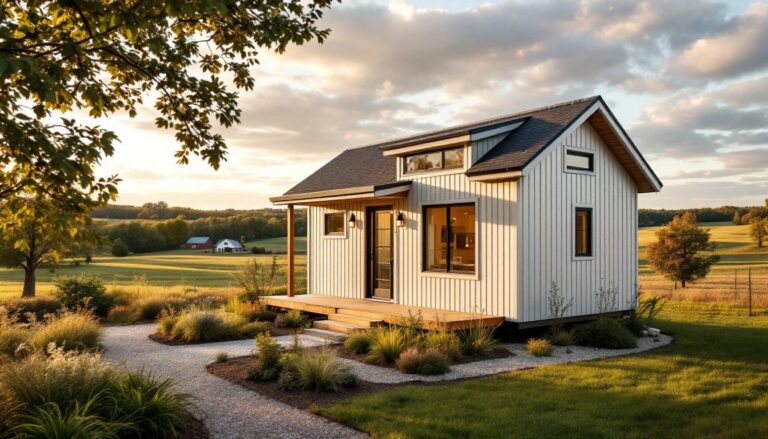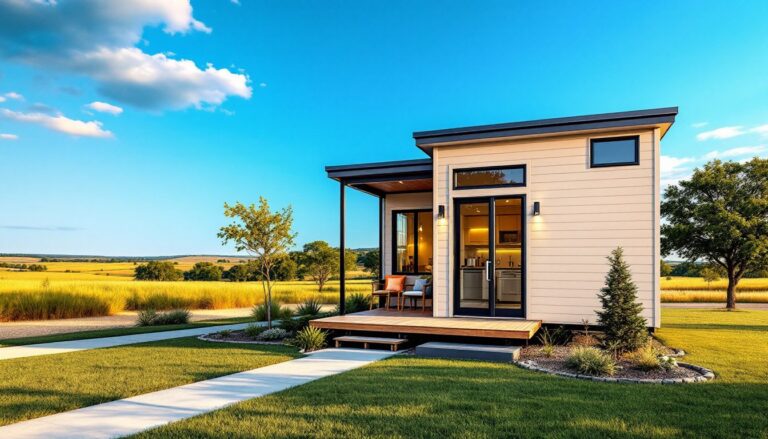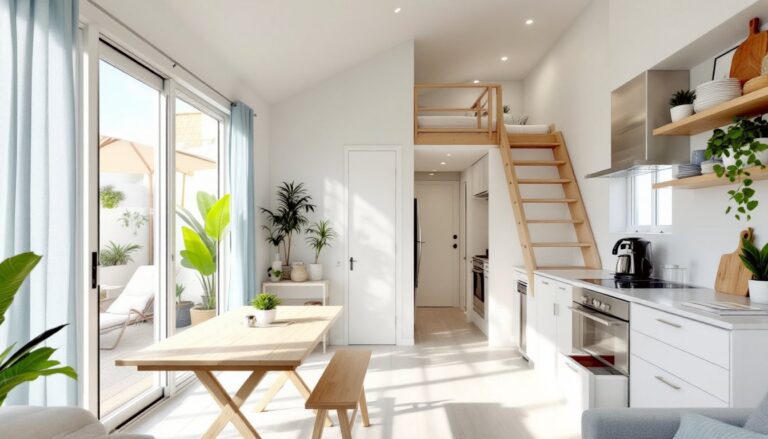
The top interior design trends for 2026 signal a shift toward warmth, sustainability, and intentional living. Designers are moving away from stark, cold aesthetics and embracing spaces that feel lived-in and personal. This year brings a blend of organic materials, bold colors, and smart functionality that reflects how people actually use their homes.
Whether someone is planning a full renovation or looking for small updates, these trends offer inspiration for every budget. From curved furniture to eco-friendly materials, 2026 celebrates design that looks good and does good. Here’s what to expect in the year ahead.
Table of Contents
ToggleKey Takeaways
- Top interior design trends for 2026 prioritize warmth, sustainability, and intentional living over cold, sterile aesthetics.
- Warm minimalism combines clean lines with organic textures like linen, wool, and raw wood for calm yet inviting spaces.
- Bold color palettes featuring deep greens, burnt oranges, and saturated blues are replacing years of neutral dominance.
- Sustainable materials such as reclaimed wood, cork, bamboo, and low-VOC paints reflect a growing commitment to eco-friendly design.
- Curved furniture and soft silhouettes—including arched doorways and round tables—create more welcoming, relaxing environments.
- Multifunctional spaces with smart design solutions help homes adapt to remote work and hybrid lifestyles without sacrificing style.
Warm Minimalism and Organic Textures
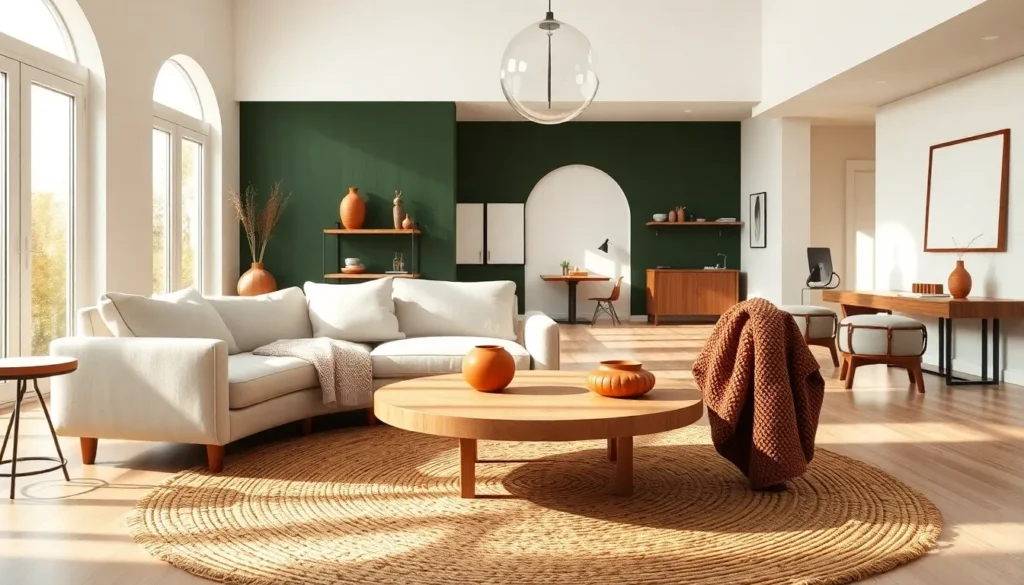
Warm minimalism takes center stage among interior design trends in 2026. This approach keeps the clean lines of traditional minimalism but adds warmth through natural materials and soft color palettes. Think creamy whites, terracotta, and warm grays instead of stark whites and cool tones.
Organic textures play a major role in this trend. Homeowners are incorporating linen, wool, jute, and raw wood into their spaces. These materials add visual interest without cluttering a room. A linen sofa paired with a jute rug creates depth while maintaining simplicity.
The goal is to create spaces that feel calm yet inviting. Bare walls and empty corners are out. Instead, designers recommend adding a few well-chosen pieces that bring texture and warmth. A handwoven throw blanket or a ceramic vase can transform a sterile room into a cozy retreat.
This trend also emphasizes imperfection. Handmade items with visible craftsmanship are preferred over mass-produced perfection. A slightly irregular pottery piece or a hand-knotted rug adds character that factory-made items simply cannot match.
Bold Color Palettes and Statement Walls
Bold colors are making a strong comeback in interior design trends this year. After years of neutral dominance, homeowners are ready to embrace rich hues like deep greens, burnt oranges, and saturated blues. These colors add personality and energy to any space.
Statement walls have evolved beyond simple accent colors. In 2026, designers are using textured paints, limewash finishes, and even murals to create focal points. A deep burgundy wall in a dining room or a forest green backdrop in a home office can completely change a room’s atmosphere.
Color blocking is another popular technique. This involves pairing two or three bold colors in geometric patterns or defined sections. It works especially well in children’s rooms and creative spaces where playfulness is welcome.
For those hesitant about committing to bold walls, smaller applications work too. Colorful cabinets in kitchens, painted door frames, or vibrant ceiling colors offer ways to experiment without overwhelming a space. The key is confidence, these colors demand attention, and that’s exactly the point.
Sustainable and Eco-Friendly Materials
Sustainability remains a driving force in interior design trends for 2026. Homeowners and designers alike are prioritizing materials that minimize environmental impact. This goes beyond aesthetics, it reflects a genuine commitment to responsible living.
Reclaimed wood continues to be popular for flooring, furniture, and accent walls. Each piece carries history and unique character that new materials cannot replicate. Recycled metals and glass are appearing in light fixtures and decorative objects, giving new life to discarded materials.
Cork and bamboo are gaining traction as sustainable alternatives to traditional hardwoods. Cork flooring offers warmth and sound absorption, while bamboo provides durability and a clean aesthetic. Both materials grow quickly and regenerate without replanting.
Natural paints and finishes are also trending. Low-VOC and zero-VOC paints improve indoor air quality while reducing harmful emissions. Homeowners are asking about material sourcing more than ever, and manufacturers are responding with transparent supply chains.
The vintage and secondhand market is booming too. Antique furniture and vintage decor reduce demand for new production while adding unique pieces to a home. Mixing old and new creates layers that make spaces feel collected rather than catalog-perfect.
Curved Furniture and Soft Silhouettes
Sharp angles are giving way to curves in 2026’s interior design trends. Curved sofas, round coffee tables, and arched doorways create softer, more inviting environments. This shift reflects a desire for comfort and flow in living spaces.
The curved furniture trend draws inspiration from mid-century modern design but updates it for contemporary tastes. Kidney-shaped sofas and circular ottomans add sculptural interest while encouraging conversation. These pieces become focal points that draw the eye.
Arches are appearing everywhere, in doorways, mirrors, headboards, and shelving units. They soften the harsh lines of traditional architecture and add an almost romantic quality to rooms. An arched bookshelf or mirror can transform an ordinary wall into something special.
Soft silhouettes extend to lighting as well. Globe pendants, organic-shaped floor lamps, and fluid chandeliers replace angular fixtures. These choices contribute to a sense of calm and movement within a space.
The psychology behind this trend is straightforward: curves feel safe and welcoming. They eliminate visual tension and create environments where people naturally relax. After years of sharp, industrial aesthetics, the swing toward softness makes perfect sense.
Multifunctional Spaces and Smart Design
Remote work and hybrid lifestyles continue to influence interior design trends in 2026. Homes need to serve multiple purposes, and smart design makes this possible without sacrificing style.
Multifunctional furniture is essential for this trend. Murphy beds, convertible desks, and modular seating allow rooms to transform based on needs. A guest room becomes a home office during the day. A living room converts into a workout space in minutes.
Zoning has become a key design strategy. Designers use rugs, lighting, and furniture placement to define separate areas within open floor plans. A reading nook in the corner of a living room or a workspace tucked behind a bookshelf creates distinct zones without walls.
Smart home technology integrates seamlessly with these trends. Automated lighting, climate control, and voice-activated systems improve convenience without cluttering spaces. The best smart design is invisible, it works quietly in the background while the aesthetic takes center stage.
Storage solutions are getting smarter too. Built-in cabinets, under-stair drawers, and hidden compartments keep belongings organized and out of sight. Clutter-free spaces support mental clarity and make rooms feel larger.