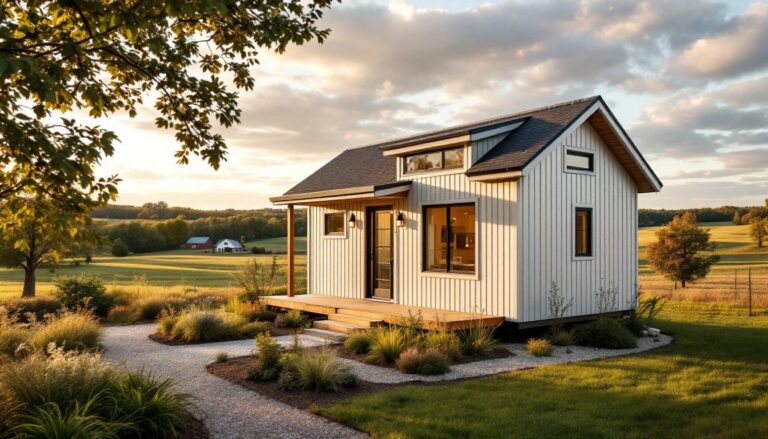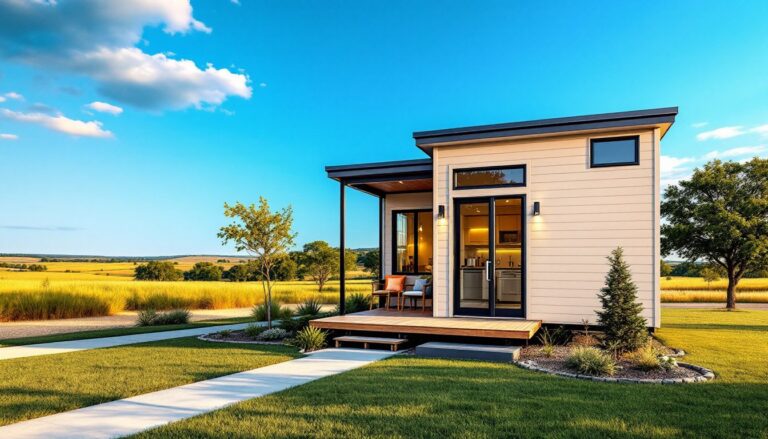
Miami’s tiny home market has exploded over the past few years, drawing buyers tired of sprawling mortgages and endless maintenance. If you’re exploring tiny homes for sale in Miami, you’re tapping into one of the hottest real estate trends reshaping Florida’s housing landscape. These compact, efficient dwellings offer affordability, sustainability, and a lifestyle shift that appeals to young professionals, retirees, and downsizers alike. Whether you’re a first-time buyer or seasoned investor, understanding Miami’s tiny home scene, from pricing and neighborhoods to financing quirks and design possibilities, is essential before making your move.
Table of Contents
ToggleKey Takeaways
- Tiny homes for sale in Miami cost 30–50% less than traditional houses, making homeownership more affordable for middle-income buyers and downsizers.
- Verify zoning compliance with Miami-Dade or Broward County Building Departments before purchasing, as tiny homes exist in a regulatory gray area with strict local requirements.
- Financing tiny homes requires working with portfolio lenders or mortgage brokers specializing in non-traditional properties, since standard FHA and VA loans often have minimum size restrictions.
- Miami’s warm climate and abundant natural light are design advantages—prioritize ventilation, light colors, and vertical storage solutions to maximize livability in compact spaces.
- Key neighborhoods like Wynwood offer walkability and cultural vibrancy, while Homestead and Florida City provide larger lots; always confirm access to groceries, transit, and healthcare before buying.
- Inspect HVAC, plumbing, and roof condition carefully in tiny homes, as mechanical failures in compact spaces affect livability immediately and cost proportionally the same as larger homes.
What Makes Miami’s Tiny Home Market So Attractive
Miami’s real estate climate has created a perfect storm for tiny home adoption. Skyrocketing land costs, limited space in dense urban neighborhoods, and a cultural shift toward minimalism have made compact living not just an alternative, but a smart financial choice. The city’s warm climate year-round means tiny homeowners rarely invest heavily in heating systems, reducing operational costs. Also, Miami’s diverse population includes international buyers, tech workers, and young families priced out of traditional single-family homes, all potential markets for tiny properties.
The environmental angle resonates here too. Tiny homes consume less energy, require fewer materials, and align with Miami’s growing focus on sustainability and resilience in an era of rising sea levels and climate concerns.
Why Tiny Homes Are Gaining Popularity in Miami
Several factors drive demand for tiny homes in the Miami area. First, affordability: a tiny home typically costs 30–50% less than a traditional house, making homeownership achievable for middle-income buyers. Second, mobility, some tiny homes are built on wheels, offering flexibility that appeals to remote workers and those seeking a lifestyle change.
Miami’s aging population also fuels interest. Retirees downsize to reduce maintenance burden and expenses, freeing capital for travel and leisure. Young professionals embrace the tiny lifestyle to save money, avoid student debt stress, and invest in experiences rather than square footage. The real estate community, too, recognizes tiny homes’ resale potential in a market hungry for innovation and affordability. How to Build a Tiny Home: A Beginner’s Guide offers valuable insight into the foundational steps, while understanding the broader Tiny Homes vs. Traditional Houses comparison helps buyers make informed decisions.
Where to Find Tiny Homes for Sale in Miami
Finding tiny homes for sale in Miami requires knowing where to look. Traditional MLS listings often fail to capture the full inventory, especially newer projects or specialized developments. Online platforms like Zillow, Redfin, and Realtor.com now include filters for small homes, but local real estate agents specializing in micro-properties offer the deepest knowledge of pocket neighborhoods and emerging projects.
Small-space focused communities are popping up across Miami-Dade and Broward Counties. Some are entirely tiny home villages with shared amenities: others integrate compact units into mixed-use developments. Networking with local tiny home meetups and Facebook groups surfaces off-market deals and new construction heads-up that agents may not list immediately.
Key Neighborhoods and Communities
Several Miami neighborhoods have embraced tiny home culture. Wynwood and Design District attract creative types drawn to the area’s art scene and walkability: tiny homes here command premium prices but offer proximity to galleries, restaurants, and jobs. Allapattah and Buena Vista are more affordable options with emerging tiny home projects and room for growth. Across the bay, Miami Beach and South Beach tiny properties cater to tourists and investors seeking short-term rental income, though regulations around vacation rentals vary and should be verified.
Outlying areas like Homestead and Florida City offer larger lots and lower density, making them attractive to buyers who want tiny homes plus land for gardening or small-scale projects. Wynwood especially stands out because its industrial heritage and cultural renaissance make it a magnet for younger buyers willing to embrace smaller footprints in exchange for community vibrancy. According to reporting from Curbed, Miami’s tiny home developments increasingly target mixed-income neighborhoods rather than exclusive enclaves, democratizing small-space living. Top Tiny Homes: Best Designs showcases design excellence relevant to these geographic contexts.
Essential Factors to Consider Before Buying a Tiny Home
Purchasing a tiny home requires due diligence beyond standard home inspection. Verify that the property meets Miami-Dade or Broward County zoning codes, tiny homes exist in a regulatory gray area, and some older units or non-permanent structures may face restrictions or code compliance issues. Check setback requirements, lot coverage limits, and whether the home is on-site (foundation-based) or mobile. Many lenders require on-site status for mortgages.
Inspect mechanicals carefully. In a 300–400 square-foot space, a failed HVAC or plumbing issue affects livability immediately and costs proportionally the same as a larger home. Evaluate roof condition, water intrusion signs, and mold risk, critical in Miami’s humid climate. Ask about utility costs: even though smaller square footage, some inefficient tiny homes cost nearly as much to operate as traditional homes.
Assess walkability and access to services. Tiny home living trades space for location: confirm that groceries, transit, healthcare, and employment are genuinely accessible. A stylish, affordable tiny home in an isolated area defeats the purpose.
Budget, Financing, and Zoning Regulations
Tiny home prices in Miami range from $150,000 for older mobile units to $400,000+ for new, high-spec builds in desirable neighborhoods. Cost varies by location, age, customization, and land value. Always request recent property tax assessments and estimate long-term ownership costs, not just purchase price.
Financing presents challenges. Many lenders hesitate to fund properties under a certain square footage or appraised value. FHA, Fannie Mae, and VA loans have minimum property size requirements that exclude many tiny homes. Conventional loans and portfolio lenders (which hold mortgages in-house rather than selling them) are often more flexible. Some buyers finance through personal loans, home equity lines, or cash purchases. Discuss options with a mortgage broker familiar with non-traditional properties, they’re increasingly common and brokers who specialize in them know portfolio lenders and alternative programs.
Zoning regulations in Miami are stricter than in some states. Certain neighborhoods prohibit mobile homes or impose minimum unit sizes. The IRC (International Residential Code) technically permits small dwellings, but local amendments vary. Contact Miami-Dade or Broward’s Building Department directly, or hire a local real estate attorney to confirm that a specific property is legally zoned for residential use and no deed restrictions prevent occupancy. This step prevents costly disputes down the road. What Is a Tiny Home? and Tiny Homes for Beginners provide foundation-level clarity on regulatory frameworks.
Interior Design Tips for Miami Tiny Homes
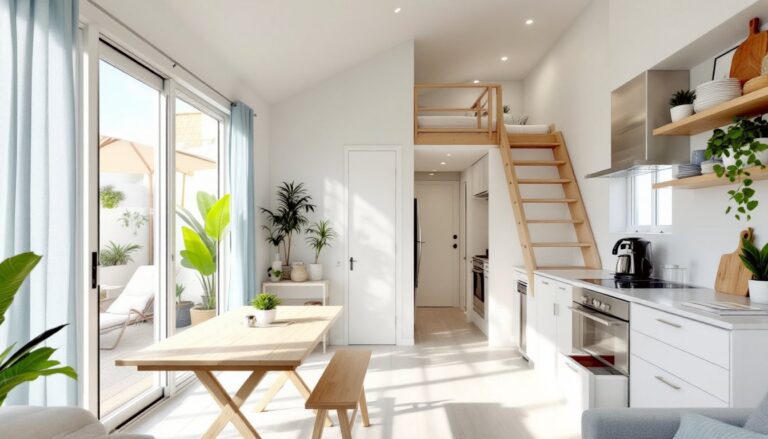
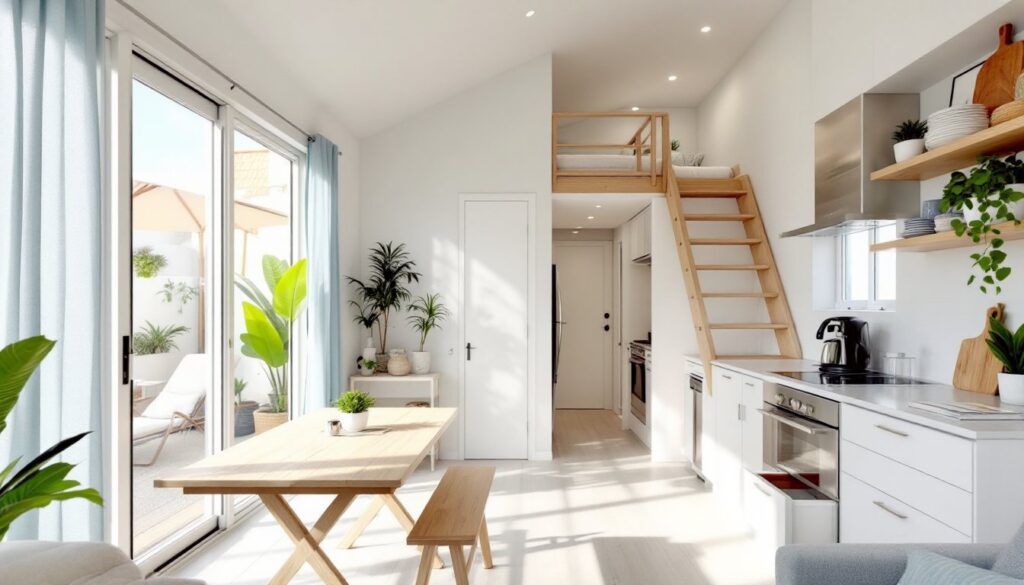
Designing a tiny home in Miami’s warm, humid climate requires thinking beyond standard small-space tactics. Prioritize ventilation and airflow: open floor plans with minimal walls help breezes circulate, reducing HVAC strain. Use light colors, white, soft grays, pale blues, to reflect heat and expand visual space. Avoid dark, heavy furnishings that absorb heat and make 350 square feet feel oppressive.
Storage is non-negotiable. Built-in solutions, under-bed drawers, wall-mounted shelves, corner cabinets, eliminate the bulk of free-standing furniture. Vertical thinking saves floor space: hang pots, use wall-mounted desks, and choose loft beds to double up sleeping and living zones. Multifunctional pieces work overtime: ottomans with hidden storage, dining tables that fold, murphy beds that vanish into walls.
Miami’s bright, abundant natural light is an asset. Install large windows where possible, use sheer curtains rather than heavy drapes, and keep sightlines clear. Light penetration makes tiny spaces feel airier and reduces reliance on artificial lighting during the day. Moisture management matters: ensure bathroom and kitchen ventilation prevents mold, and choose moisture-resistant materials like tile or sealed concrete for floors.
The outdoor component matters in Miami. Even a small patio, balcony, or shared courtyard extends livable space psychologically and functionally. If a tiny home includes outdoor access, treat it as a bonus room, add seating, plants, shade structures. Design resources from Apartment Therapy and freshome.com offer practical small-space decor inspiration and movable design principles that work well in Miami’s compact homes. Tiny Homes Ideas and Tiny Homes Techniques provide specific design frameworks and material selections suited to Florida’s climate and lifestyle demands.