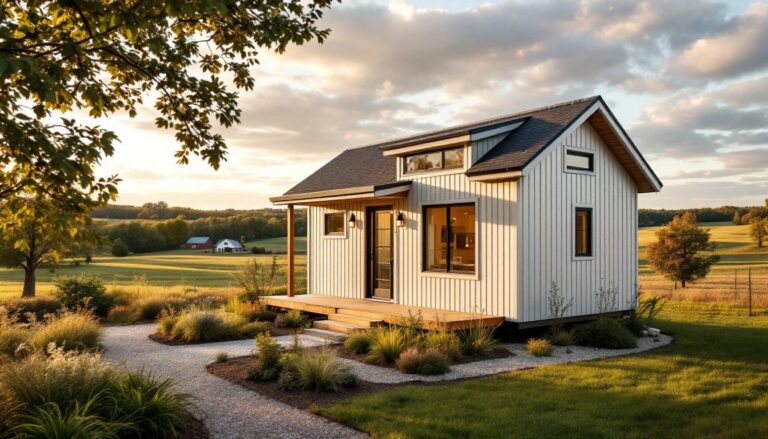
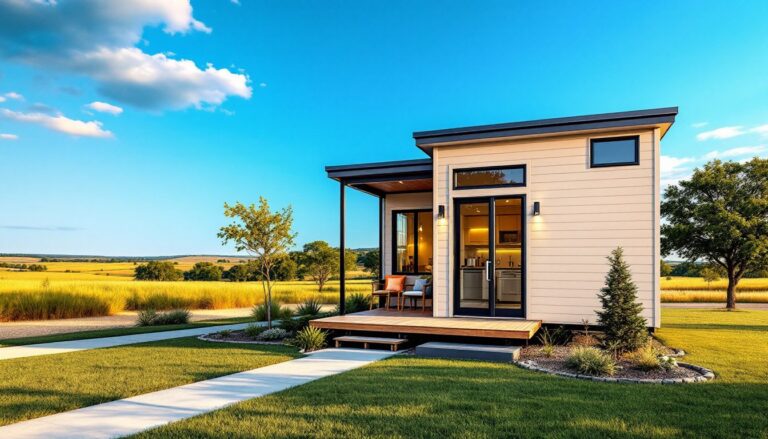
What is a tiny home? It’s a dwelling that typically measures under 400 square feet and offers a simpler, more intentional way to live. The tiny home movement has grown from a niche lifestyle choice into a mainstream housing option. Millions of people now consider tiny homes as a solution to rising housing costs, environmental concerns, and the desire for financial freedom. This guide covers everything from standard dimensions to the types of tiny homes available today. It also explores the benefits, challenges, and ideal candidates for small-space living.
Table of Contents
ToggleKey Takeaways
- A tiny home is a dwelling typically under 400 square feet that includes all essential living areas like a kitchen, bathroom, bedroom, and living space.
- Tiny homes come in various types including tiny houses on wheels (THOWs), foundation-based homes, ADUs, shipping container homes, and converted vehicles.
- The average tiny home costs between $30,000 and $60,000, offering significant savings compared to the median U.S. home price of over $400,000.
- Tiny home living provides environmental benefits through reduced energy consumption, fewer building materials, and a smaller carbon footprint.
- Zoning laws and minimum square footage requirements vary by location, so research local regulations before buying or building a tiny home.
- Tiny homes are ideal for minimalists, retirees, remote workers, and young professionals seeking financial freedom and a simplified lifestyle.
Defining Tiny Homes and Their Standard Dimensions
A tiny home is a residential structure that ranges from 100 to 400 square feet. Some definitions extend this to 600 square feet, but most experts agree that true tiny homes stay under 400 square feet. For comparison, the average American home measures about 2,300 square feet.
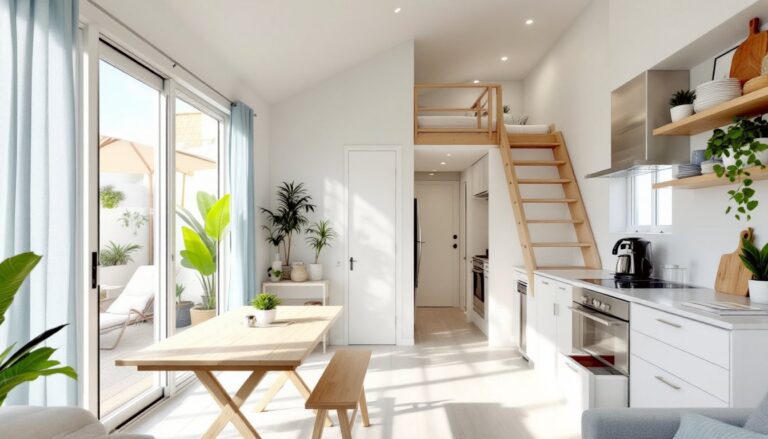
Tiny homes typically include all essential living areas within their compact footprint. A standard tiny home features a sleeping area, bathroom, kitchen, and living space. Many designs use vertical space through lofted bedrooms or storage areas built into stairs.
The dimensions of a tiny home depend on its type. Tiny homes on wheels must follow road regulations, which limit width to 8.5 feet and height to 13.5 feet in most states. The length usually stays between 20 and 30 feet. Foundation-based tiny homes have more flexibility in size and shape since they don’t need to travel on roads.
Tiny homes differ from other small dwellings like micro-apartments or studio apartments. The key distinction is design intent. Tiny homes maximize every inch of space through custom storage solutions, multi-purpose furniture, and smart layouts. A tiny home packs full functionality into a fraction of the space that traditional housing requires.
Types of Tiny Homes
Tiny homes come in several distinct categories. Each type serves different needs and lifestyles.
Tiny Houses on Wheels (THOWs)
Tiny houses on wheels sit on trailers and can move from location to location. They offer flexibility for people who want to travel or avoid permanent property commitments. THOWs bypass some building codes since many jurisdictions classify them as RVs rather than permanent structures. These tiny homes typically cost between $30,000 and $100,000 depending on materials and customization.
Foundation-Based Tiny Homes
These tiny homes sit on permanent foundations like traditional houses. They must meet local building codes and zoning requirements. Foundation-based tiny homes often qualify for traditional mortgages and may appreciate in value like conventional real estate. They provide more stability but less flexibility than their wheeled counterparts.
Accessory Dwelling Units (ADUs)
ADUs are small secondary homes built on existing residential properties. They go by names like granny flats, in-law suites, or backyard cottages. Many cities have relaxed ADU regulations in recent years to address housing shortages. ADUs allow homeowners to generate rental income or house family members close by.
Shipping Container Homes
Shipping container tiny homes repurpose steel cargo containers into living spaces. A standard shipping container measures 8 feet wide and either 20 or 40 feet long. These structures offer durability and a modern industrial look. Container tiny homes often cost less to build than traditional construction methods.
Converted Vehicles
Some people transform vans, buses, or other vehicles into mobile tiny homes. These conversions offer maximum mobility and lower entry costs. They work well for solo travelers or couples who prioritize adventure over space.
Benefits of Living in a Tiny Home
Tiny homes offer several practical advantages over traditional housing.
Financial Freedom
The average tiny home costs between $30,000 and $60,000, compared to the median U.S. home price of over $400,000. Many tiny home owners pay cash for their homes and avoid mortgage debt entirely. Lower utility bills, reduced maintenance costs, and smaller property taxes add to the savings. Some tiny home dwellers save 50% or more compared to their previous housing expenses.
Environmental Impact
Tiny homes use fewer building materials and consume less energy. A tiny home requires a fraction of the heating and cooling resources that a standard house needs. Many tiny home owners install solar panels and composting toilets to further reduce their environmental footprint. The smaller space also discourages excessive consumption and waste.
Simplified Lifestyle
Living in a tiny home forces residents to own only what they need. This decluttering process often leads to reduced stress and increased focus on experiences rather than possessions. Tiny home owners report spending less time cleaning and maintaining their homes. That time goes toward hobbies, relationships, and personal growth instead.
Mobility and Flexibility
Tiny homes on wheels let owners relocate without selling property or signing new leases. This mobility appeals to remote workers, retirees, and anyone who values location independence. Even foundation-based tiny homes require less commitment than larger properties when the time comes to sell or move.
Challenges and Considerations
Tiny home living isn’t right for everyone. Several challenges deserve careful consideration.
Zoning and Legal Issues
Many municipalities have minimum square footage requirements that exclude tiny homes. Zoning laws may prohibit tiny homes in residential areas or restrict where THOWs can park. Prospective tiny home owners must research local regulations thoroughly before building or buying. Some areas now have tiny home-friendly ordinances, but these remain the exception.
Limited Space for Relationships
Couples and families face unique challenges in tiny homes. Privacy becomes scarce when everyone shares 400 square feet or less. Hosting guests or accommodating visiting family members requires creativity. Many tiny home couples report that the lifestyle either strengthens or strains relationships, rarely does it leave them unchanged.
Storage and Lifestyle Adjustments
Tiny home owners must continuously edit their belongings. Seasonal items, hobby equipment, and sentimental objects compete for limited space. Some people rent storage units, which adds to monthly costs and reduces the financial benefits of tiny living. The adjustment period takes months for most new tiny home residents.
Resale and Financing Challenges
Banks rarely offer traditional mortgages for tiny homes, especially THOWs. Personal loans and RV loans carry higher interest rates. Resale values vary widely, and the market for used tiny homes remains smaller than conventional real estate. These financial factors make tiny homes a less predictable investment than traditional housing.
Who Should Consider Tiny Home Living
Certain groups find tiny homes particularly appealing.
Minimalists who already embrace simple living often transition smoothly to tiny homes. The lifestyle aligns with their existing values around intentional consumption and experiences over possessions.
Young professionals seeking to avoid student debt while building savings can use tiny homes as a stepping stone. A few years in a tiny home can accelerate financial goals significantly.
Retirees on fixed incomes benefit from the reduced expenses that tiny homes provide. Downsizing from a family home to a tiny home can free up equity and eliminate mortgage payments during retirement.
Remote workers and digital nomads appreciate the mobility that tiny homes on wheels offer. They can follow favorable weather, explore new areas, or stay close to family without the constraints of traditional housing.
Environmentally conscious individuals choose tiny homes to reduce their carbon footprint. The lifestyle aligns with values around sustainability and responsible resource use.
Tiny homes work less well for growing families, collectors, or people who work from home in space-intensive careers. Those who entertain frequently or value distinct rooms for different activities may find tiny homes too limiting.