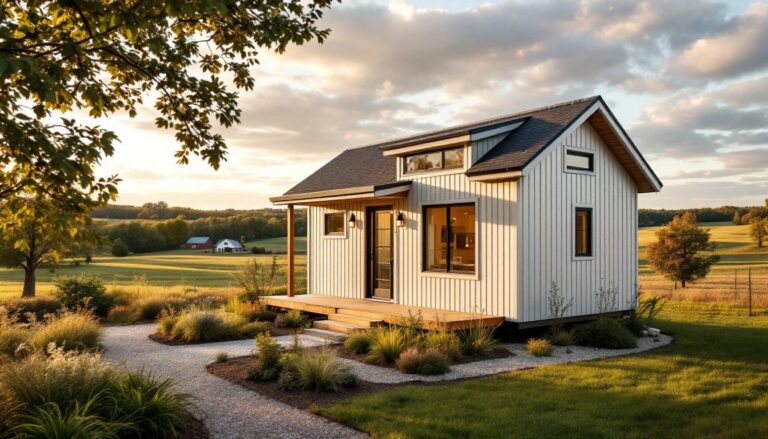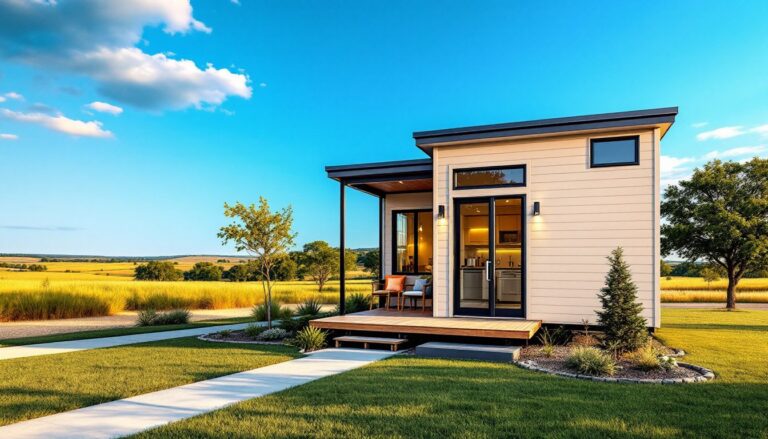
Indiana is experiencing a quiet revolution in housing. Across the state, from Indianapolis suburbs to rural farmland, more people are ditching sprawling floor plans and embracing tiny homes. These compact dwellings, typically ranging from 300 to 500 square feet, offer affordability, lower maintenance, and a lifestyle shift that appeals to downsizers, young professionals, and anyone tired of a mortgage that feels heavier than the roof overhead. Whether you’re curious about the movement or ready to explore tiny living as a real option, this guide walks you through Indiana’s landscape for compact homes, the legal realities, design strategies, and financial planning that actually works.
Table of Contents
ToggleKey Takeaways
- Tiny homes in Indiana cost $60,000–$150,000, dramatically lowering the homeownership barrier compared to traditional houses averaging $200,000+.
- Indiana’s lack of statewide tiny home regulations means zoning laws vary by county and municipality—always verify local regulations with your county zoning office before purchasing land or building.
- Interior design strategies like vertical storage, multi-functional furniture, and open floor plans are essential to maximize livability in compact tiny homes without feeling cramped.
- Property taxes and utilities for tiny homes are substantially lower than traditional houses, with annual savings of $1,500–$2,800 in property taxes alone over 30 years.
- Financing tiny homes can be challenging since traditional lenders hesitate to mortgage structures under 500 square feet—explore personal loans, specialty lenders, or pre-approve before committing to a property.
- Rural areas in southern Indiana offer more flexible zoning on agricultural land, making them ideal for tiny home builders seeking fewer regulatory obstacles than urban counties.
Why Tiny Homes Are Gaining Popularity in Indiana
Indiana’s appeal for tiny home living rests on a handful of solid reasons. First, the cost barrier to homeownership drops dramatically. A tiny home priced between $60,000 and $150,000 is far more achievable than a traditional house, which in Indiana averages $200,000-plus. That means less debt, lower property taxes, and the freedom to invest elsewhere.
Second, the state’s moderate climate and lower cost of living make it an attractive testing ground for the tiny house lifestyle. You’re not paying California or New York prices, and you’re not wrestling with extreme weather year-round.
Third, there’s a cultural acceptance creeping in. What once felt niche is becoming mainstream. People working remotely can live anywhere, and many are choosing smaller footprints on purpose, not out of necessity. Tiny Homes vs. Traditional puts this tension into sharp focus. Finally, environmental consciousness matters. A smaller home uses less energy, requires fewer building materials, and aligns with values increasingly important to Indiana residents.
Zoning Laws and Legal Considerations for Indiana Tiny Homes
Here’s where enthusiasm meets reality: zoning and building codes. Indiana doesn’t have a statewide tiny home law. Instead, regulations are set at the county and municipal level, which means what’s legal in one town might be prohibited in another. This fragmentation is the single biggest hurdle for tiny home buyers and builders in the state.
Most Indiana municipalities still define a “single-family home” with minimum square footage requirements, typically 1,000–1,500 square feet. A 400-square-foot tiny home won’t meet those standards, and you could face fines or forced relocation.
Mobile homes and RV-based tiny homes have clearer paths in some counties, but that comes with its own limitations and stigmas. Before buying land or building, contact your county zoning office or township administrator. Ask specifically: Can a structure under 500 square feet be built as a primary residence? Are ADUs (accessory dwelling units) allowed? What setback and lot-size rules apply? Getting this in writing prevents costly mistakes down the road.
Understanding Indiana’s Building Codes
Indiana follows the International Building Code (IBC), adopted with state amendments. The good news: the IBC accommodates tiny homes, it’s not inherently anti-small. The catch: local enforcement varies wildly. Some inspectors are experienced with tiny homes: others are skeptical and nitpicky.
Key code points for Indiana tiny homes: structural load calculations still apply (no shortcuts there), electrical and plumbing must meet NEC and IRC standards, ventilation and egress (emergency exits) are non-negotiable, and HVAC sizing must match the actual square footage. Tiny homes often need proportionally larger mechanical systems because heat loss and gain are more dramatic in smaller spaces.
Permits are almost always required for construction, and they should be. A permit review catches design flaws before you’ve spent $50,000 on materials. Budget 4–8 weeks for the permit process, and expect fees in the $500–$2,000 range depending on the municipality and project scope.
Top Regions and Communities for Tiny Home Living in Indiana
If you’re serious about tiny living in Indiana, certain regions are friendlier than others. Marion County (Indianapolis) and surrounding suburbs like Carmel and Fishers have been slightly more receptive to ADU zoning changes, though still restrictive. Some progressive neighborhoods are explicitly permitting in-law units and small dwellings as a response to housing shortages.
Rural areas, particularly in southern Indiana (Brown, Monroe, and Brown counties), tend to have looser zoning on agricultural land. If you’re open to a bit of seclusion, these counties offer more flexibility for building a tiny home on larger acreage, sidestepping some urban zoning conflicts.
The Hoosier Homestead Cooperative near Bloomington and emerging tiny home parks in the Fort Wayne area show growing infrastructure support. Some land-lease communities are being developed specifically for tiny homes, which simplifies the zoning equation since the entire park is pre-zoned.
Before choosing a location, drive it. Visit the county courthouse, talk to locals, and confirm with a real estate attorney that the zoning will actually support your plan. Regional differences are real, and your dream property in the wrong zone becomes a legal and financial nightmare. Top Tiny Homes: Best Designs for Compact Living showcases designs that work across different settings, but local law determines what you can actually build.
Interior Design Tips for Maximizing Your Tiny Home Space
Once zoning and permits are sorted, design becomes your sandbox. A tiny home doesn’t feel cramped if it’s designed intelligently. Every square inch matters, but so does the psychological impression of space.
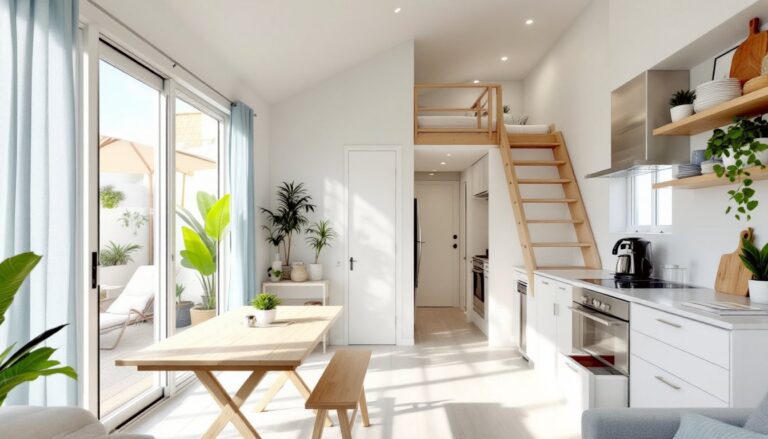
Start with vertical storage. Don’t waste floor area on bulky cabinets: install shelving that climbs to the ceiling. Use wall-mounted desks, fold-down dining tables, and beds with integrated drawers underneath. A Murphy bed freeing up 80 square feet during the day is a game-changer.
Color and light expand space visually. Light, neutral walls and ceilings reflect light and feel open. Large windows, if you can swing them, or strategic mirrors multiply the sense of depth. Avoid heavy, dark, or busy patterns that fragment the visual field.
Open floor plans work better than lots of small rooms. Breaking up a 400-square-foot footprint into five tiny rooms makes it feel like a warren. One flowing living/kitchen/dining area with subtle zone definition (via rugs, lighting, or a low counter) feels more generous.
Smart Storage Solutions and Multi-Functional Furniture
Storage is the spine of tiny home living. Built-in benches with lift-top storage, wall-mounted spice racks, ceiling-hung bike mounts, and under-stairs closets capture dead space. Every corner counts.
Multi-functional furniture pulls its weight: a coffee table that’s also a storage ottoman, a kitchen island that doubles as a dining surface and extra prep space, or a sofa with a pull-out guest bed. Yes, these pieces often cost more upfront, but they’re investments in livability.
Kitchens in tiny homes benefit from compact appliances, a 24-inch dishwasher instead of 36 inches, smaller refrigerators, slide-in electric cooktops. Losing an inch of counter space feels painful, but stacked shelving above the sink and pullout pantries compensate. Designers at Young House Love have documented countless micro-kitchen solutions worth studying.
Cluttering kills tiny homes. Everything visible should earn its spot. A minimalist mindset isn’t about deprivation: it’s about intentionality. Keep what you use, love, or need, and be ruthless about the rest. Essential Tiny Homes Tips for Smarter Small-Space Living digs deeper into daily living strategies.
Cost Considerations and Financial Planning
The financial case for tiny homes is compelling but comes with caveats. Purchase price is lower, yes, but that’s only part of the equation.
Purchase and Construction Costs: A new tiny home built by a professional builder in Indiana ranges from $60,000 to $150,000, depending on finishes, location, and whether it’s a mobile home, site-built structure, or prefab. Land costs vary dramatically: rural acreage might run $500–$2,000 per acre, while suburban lots in desirable counties can hit $20,000–$50,000+. Add permits, site prep, and utility hookups, and your all-in cost could easily reach $120,000–$200,000. It’s still less than a traditional home, but the savings aren’t automatic.
Property Taxes and Insurance: This is where tiny homes shine. Annual property taxes on a $100,000 tiny home in Indiana average $800–$1,200, compared to $2,500–$4,000 for a traditional home. Insurance is similarly lower. Over 30 years, this difference compounds into tens of thousands of dollars.
Utilities: A 400-square-foot home with proper insulation and modern HVAC typically runs $40–$80 per month for electricity and $20–$40 for heating/cooling (depending on season and efficiency). Traditional homes might be $150–$300+. Again, savings stack up.
Financing Challenges: This is the sticky part. Traditional mortgage lenders are cautious about tiny homes. Many won’t finance structures under 500 square feet or homes on leased land. You may need a personal loan, RV loan (if mobile), or specialty lender. Interest rates might be 1–3% higher than conventional mortgages. Always pre-qualify before committing to a property.
Hidden Costs: Don’t overlook community fees (if in a tiny home park), regular maintenance, replacing roofing or siding on a smaller footprint is cheaper in absolute dollars but spreads proportionally higher as a percentage of home value. Budget conservatively for unexpected repairs.