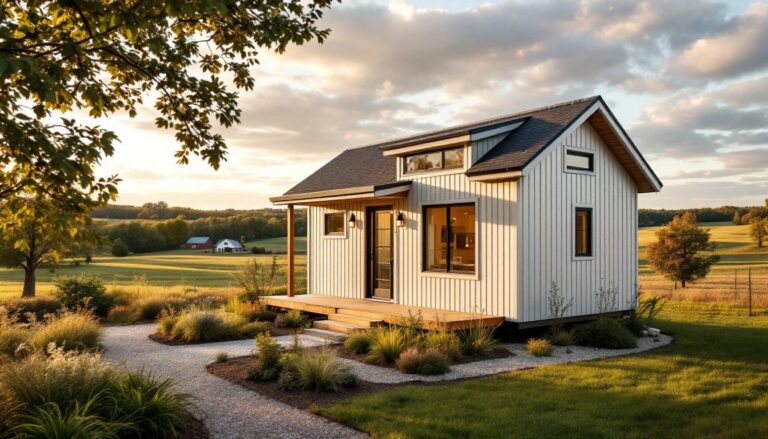
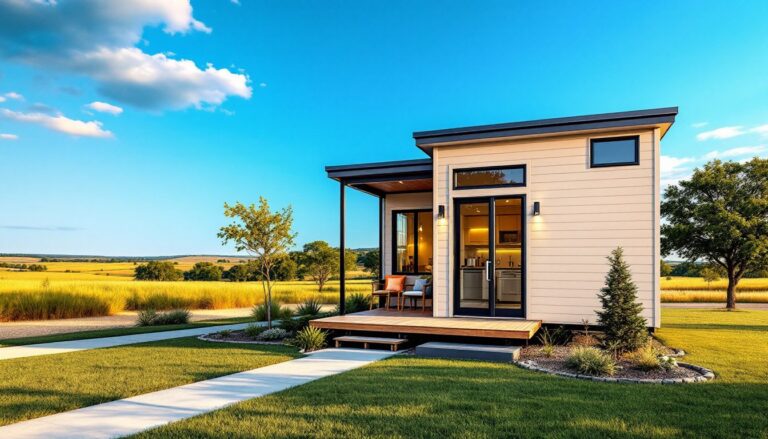
Tiny homes have transformed the way people think about housing. These compact living spaces, typically under 400 square feet, offer an alternative to traditional homeownership. They appeal to minimalists, budget-conscious buyers, and anyone ready to simplify their life.
The tiny home movement gained momentum during the 2008 housing crisis. Since then, it has grown into a lifestyle choice embraced by millions. Whether someone wants financial freedom, environmental sustainability, or just less stuff to manage, tiny homes provide a practical solution.
This guide covers everything readers need to know about tiny homes. It explores the benefits, types, challenges, and steps to get started with this unique approach to living.
Table of Contents
ToggleKey Takeaways
- Tiny homes typically cost between $30,000 and $100,000, offering a budget-friendly alternative to traditional homeownership.
- Living in a tiny home encourages minimalism, reduces utility bills to under $50 monthly, and eliminates long-term mortgage payments.
- Prospective buyers can choose from tiny houses on wheels, foundation homes, converted structures, prefabs, or accessory dwelling units (ADUs).
- Zoning laws and financing options present significant challenges—research local regulations and budget realistically before committing.
- Renting a tiny home before buying helps determine if the compact lifestyle truly fits your needs and expectations.
- Connecting with the tiny home community through forums and meetups provides valuable guidance and helps avoid common mistakes.
What Are Tiny Homes and Why Are They Popular
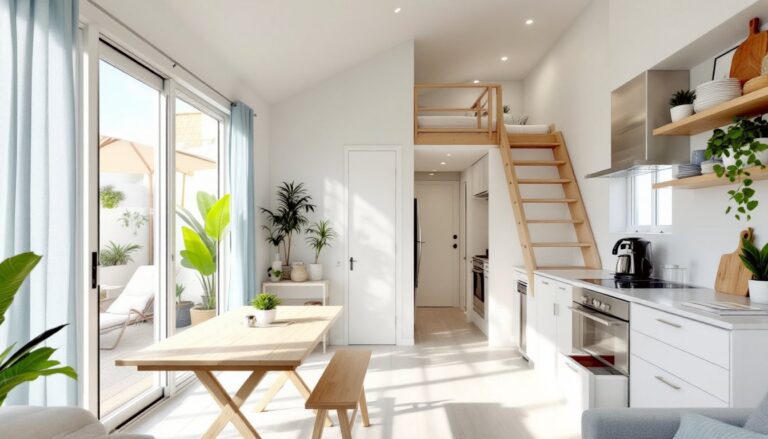
A tiny home is a residential structure that typically measures between 100 and 400 square feet. Some sit on permanent foundations, while others rest on trailers for mobility. The design philosophy centers on efficient use of space, with multi-functional furniture and clever storage solutions.
Tiny homes gained popularity for several reasons. First, housing costs have skyrocketed in many cities. The median home price in the United States exceeded $400,000 in 2024, making traditional homeownership difficult for many buyers. Tiny homes cost significantly less, often between $30,000 and $100,000 depending on features and customization.
Second, people want simpler lives. The average American home contains roughly 300,000 items. Many homeowners feel overwhelmed by possessions they rarely use. Tiny homes force intentional living. Residents keep only what they need and value.
Third, environmental concerns drive interest in tiny homes. A smaller footprint means less energy consumption, fewer building materials, and reduced waste. Many tiny home owners install solar panels, composting toilets, and rainwater collection systems to live off-grid.
The COVID-19 pandemic also boosted interest in tiny homes. Remote work freed people from geographic constraints. Some chose mobile tiny homes to travel while working. Others sought affordable housing options after job losses or financial setbacks.
Benefits of Living in a Tiny Home
Tiny homes offer financial advantages that traditional housing cannot match. Most tiny home owners eliminate mortgage payments entirely. Without a 30-year loan, they redirect money toward savings, travel, or early retirement. Monthly utility bills often drop below $50 due to smaller spaces requiring less heating and cooling.
The lifestyle encourages minimalism. When space is limited, every item must earn its place. This mindset reduces impulse purchases and promotes thoughtful consumption. Many tiny home residents report feeling less stressed with fewer possessions to organize, clean, and maintain.
Maintenance becomes manageable in a tiny home. Fewer rooms mean fewer repairs. Cleaning takes minutes instead of hours. Homeowners spend less time on chores and more time on activities they enjoy.
Tiny homes also provide flexibility. Owners can relocate wheeled tiny homes without selling property. This mobility suits those who want to explore different regions or follow seasonal work opportunities.
Environmental benefits extend beyond energy savings. Tiny homes require fewer construction materials than standard houses. Many builders use reclaimed wood, recycled metal, and eco-friendly insulation. The smaller footprint leaves more land undeveloped, preserving natural habitats.
Types of Tiny Homes to Consider
Prospective tiny home owners can choose from several styles, each with distinct advantages.
Tiny Houses on Wheels (THOWs)
These mobile tiny homes sit on trailers and can be towed to new locations. They bypass many building codes because they classify as RVs rather than permanent structures. THOWs suit people who value mobility and want to avoid property taxes in some jurisdictions.
Foundation Tiny Homes
Built on permanent foundations, these tiny homes function like traditional houses. They must meet local building codes, which often require minimum square footage. Foundation tiny homes appreciate in value like conventional real estate and qualify for standard mortgages.
Converted Structures
Some people transform shipping containers, school buses, or vans into tiny homes. These conversions often cost less than purpose-built structures. A shipping container conversion might run $15,000 to $50,000 depending on finishes and features.
Prefabricated Tiny Homes
Factories build these tiny homes and deliver them ready for occupancy. Prefab construction reduces costs and build time. Buyers can move in within weeks rather than months. Companies like Tumbleweed and Escape offer popular prefab models.
Accessory Dwelling Units (ADUs)
These tiny homes occupy existing residential lots as secondary structures. Many cities have relaxed ADU regulations to address housing shortages. Homeowners build ADUs for rental income, aging parents, or adult children.
Challenges and Considerations Before Going Tiny
Tiny home living presents real challenges that prospective owners should understand.
Zoning laws create significant barriers. Many municipalities require minimum dwelling sizes of 1,000 square feet or more. Finding legal placement for a tiny home requires research into local regulations. Some areas restrict tiny homes to RV parks or designated communities.
Financing a tiny home can prove difficult. Traditional mortgages rarely cover structures under 400 square feet. Buyers often use personal loans, RV loans, or pay cash. Interest rates on alternative financing typically exceed mortgage rates.
Limited space demands adjustment. Couples and families must share close quarters without privacy. Storage challenges require creative solutions. Hosting guests becomes awkward when the living room doubles as the bedroom.
Resale value remains uncertain for tiny homes on wheels. The market is smaller than traditional real estate, and depreciation can affect THOWs like vehicles rather than appreciating like houses.
Utility connections pose practical problems. Many tiny homes lack standard hookups for water, electricity, and sewage. Off-grid systems require maintenance knowledge and upfront investment. Some owners underestimate the learning curve for composting toilets or solar power systems.
Climate considerations matter too. Heating a tiny home in Minnesota winter differs from cooling one in Arizona summer. Insulation, ventilation, and HVAC systems need careful planning for the intended location.
How to Get Started With Tiny Home Living
Starting the tiny home journey requires practical steps and honest self-assessment.
First, determine why tiny living appeals. Financial freedom, environmental impact, and simplicity each suggest different approaches. Someone seeking mobility might choose a THOW, while a retiree wanting to age in place might prefer a foundation tiny home.
Second, research local zoning laws. Contact the planning department in desired areas. Ask specifically about minimum dwelling sizes, foundation requirements, and tiny home communities. This step prevents expensive mistakes later.
Third, set a realistic budget. Include land costs, utility connections, permits, and furnishings beyond the structure itself. Many first-time tiny home buyers underestimate total expenses by 20% or more.
Fourth, try before committing. Rent a tiny home for a week or month through Airbnb or specialized platforms. This trial period reveals whether the lifestyle genuinely fits. Many people discover they need more space than expected.
Fifth, decide whether to build, buy prefab, or purchase used. DIY construction costs less but demands time and skills. Prefab tiny homes offer convenience at higher prices. Used tiny homes on wheels provide immediate occupancy but may need repairs.
Finally, connect with the tiny home community. Online forums, local meetups, and tiny home festivals provide advice from experienced owners. These connections help newcomers avoid common pitfalls and find resources for their specific situations.