The best interior design trends for 2025 reflect a shift toward comfort, sustainability, and personal expression. Homeowners want spaces that feel good and look striking. This year brings a mix of organic textures, bold colors, and smart functionality. Whether someone is renovating a single room or redesigning an entire home, these trends offer practical inspiration. From curved furniture to eco-friendly materials, the best interior design trends balance style with purpose. Here’s what designers and homeowners are embracing this year.
Table of Contents
ToggleKey Takeaways
- The best interior design trends for 2025 prioritize comfort, sustainability, and personal expression through natural materials and earthy tones.
- Curved furniture and soft silhouettes replace sharp angles, creating more inviting and approachable living spaces.
- Maximalism is making a comeback with bold colors like emerald, coral, and mustard yellow—offering homeowners a chance to showcase personality.
- Sustainable design choices, including reclaimed materials and low-VOC paints, allow you to create beautiful spaces without harming the planet.
- Multifunctional rooms with flexible furniture and smart zoning techniques help modern homes adapt to remote work and smaller living spaces.
- The best interior design trends balance aesthetics with practicality, encouraging quality investments over frequent replacements.
Embracing Natural Materials and Earthy Tones
Natural materials dominate the best interior design trends of 2025. Wood, stone, rattan, and linen create warmth in any room. These elements bring the outdoors inside and add texture without overwhelming a space.
Earthy tones pair perfectly with natural materials. Think terracotta, olive green, warm beige, and deep browns. These colors work well as wall paint, upholstery, or accent pieces. They create a grounded, calming atmosphere that many people crave after years of stark minimalism.
Designers recommend mixing textures within this palette. A wooden coffee table beside a linen sofa, for example, adds visual interest. Raw-edge wood shelves or a stone accent wall can serve as focal points. The goal is to layer organic elements throughout a room.
This trend also connects to a broader desire for authenticity. People want materials that age gracefully and tell a story. A hand-thrown ceramic vase or a reclaimed wood dining table carries more character than mass-produced alternatives. Natural materials often improve with time, developing patinas that add depth.
For those on a budget, small swaps make a difference. Replace plastic planters with terracotta. Swap synthetic throws for cotton or wool. These changes align any space with the best interior design trends without a complete overhaul.
Curved Furniture and Soft Silhouettes
Sharp angles are out. Curved furniture has become one of the best interior design trends for creating inviting spaces. Round sofas, arched doorways, and oval dining tables soften a room’s appearance.
This shift reflects a desire for comfort. Curved pieces feel more approachable than rigid, angular designs. They encourage conversation and relaxation. A rounded sofa invites people to sit closer together. An arched mirror adds elegance without feeling cold.
Practically, curves also improve traffic flow. Rounded edges on tables and chairs reduce the risk of bumped shins. In smaller spaces, curved furniture can make a room feel less cramped because it doesn’t create harsh visual lines.
Popular curved pieces include kidney-shaped coffee tables, barrel chairs, and serpentine sofas. Arched bookcases and rounded headboards also fit this trend. Even lighting fixtures now feature soft, organic shapes, think globe pendants and sculptural floor lamps.
Designers suggest balancing curves with some linear elements. A curved sofa looks striking against a straight-lined gallery wall. This contrast keeps a room from feeling too soft or lacking definition. The best interior design trends work through balance, not uniformity.
Maximalism and Bold Color Statements
Minimalism had its moment. Now, maximalism ranks among the best interior design trends for those who want personality in their homes. Bold colors, mixed patterns, and curated collections define this approach.
Maximalism doesn’t mean clutter. It means intentional abundance. Every item should earn its place. A maximalist living room might feature jewel-toned walls, patterned rugs, and shelves filled with art and books. The effect is rich and layered.
Bold color statements drive this trend forward. Deep emerald, saturated coral, electric blue, and mustard yellow appear on walls, furniture, and accessories. These colors create energy and drama. A single bold-colored accent chair can transform a neutral room.
Pattern mixing requires some skill but yields stunning results. Floral curtains can work alongside geometric throw pillows if they share a color palette. Stripes and plaids coexist when their scales differ. The key is finding a unifying element, usually color or mood.
For beginners, starting with accessories makes sense. Bold throw pillows, colorful art, or a statement rug introduce maximalism without commitment. Those feeling braver can paint an accent wall or reupholster a vintage find. The best interior design trends encourage experimentation and self-expression.
Sustainable and Eco-Friendly Design Choices
Sustainability continues to shape the best interior design trends in 2025. Consumers want beautiful spaces that don’t harm the planet. This demand has pushed designers and manufacturers toward greener practices.
Reclaimed and recycled materials lead this movement. Furniture made from salvaged wood, recycled metal, or repurposed textiles offers style with a smaller environmental footprint. Vintage and secondhand shopping has also gained popularity as people discover unique pieces while reducing waste.
Low-VOC paints and finishes protect indoor air quality. Traditional paints release volatile organic compounds that can cause headaches and respiratory issues. Eco-friendly alternatives provide the same color options without harmful emissions.
Energy-efficient lighting fits into sustainable design as well. LED bulbs use less electricity and last longer than traditional options. Smart lighting systems allow homeowners to reduce energy consumption by automating when lights turn on and off.
Durability matters in sustainable design. Buying well-made furniture that lasts decades is better for the planet than replacing cheap items every few years. The best interior design trends recognize that quality and sustainability go hand in hand. Investing in timeless pieces reduces both waste and long-term costs.
Multifunctional Spaces for Modern Living
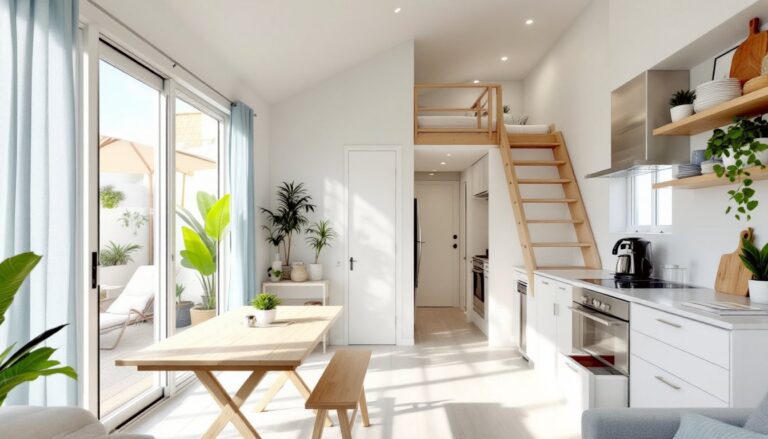
Homes work harder than ever. The best interior design trends address this reality with multifunctional spaces. A single room might serve as an office, guest room, and workout area.
Flexible furniture makes this possible. Murphy beds fold into walls, freeing floor space during the day. Desks with built-in storage keep work materials organized and hidden. Modular sofas reconfigure for different activities, movie night, hosting friends, or solo reading.
Zoning techniques help define different functions within one room. Area rugs can separate a workspace from a living area. A bookshelf used as a room divider creates visual boundaries without closing off space. Different lighting levels also signal different zones, brighter for work, dimmer for relaxation.
Storage solutions are essential for multifunctional rooms. Built-in cabinets, under-bed drawers, and wall-mounted shelves keep belongings accessible but out of sight. When everything has a place, switching between functions becomes seamless.
This trend responds to smaller living spaces and remote work culture. People need their homes to accommodate more activities. The best interior design trends solve real problems while maintaining aesthetic appeal. A well-designed multifunctional space feels intentional, not cramped.