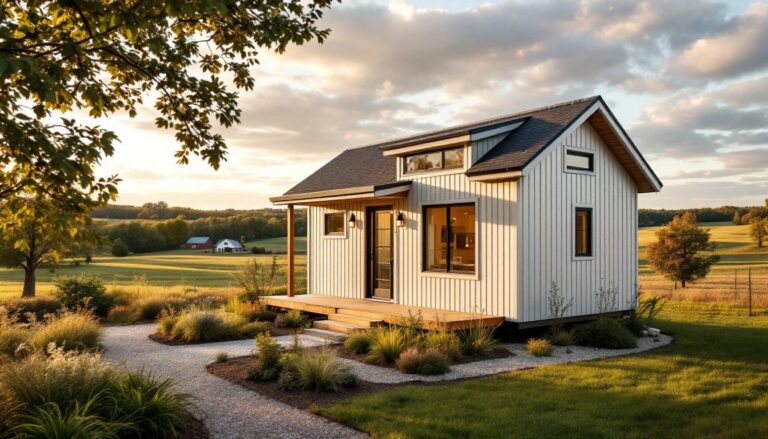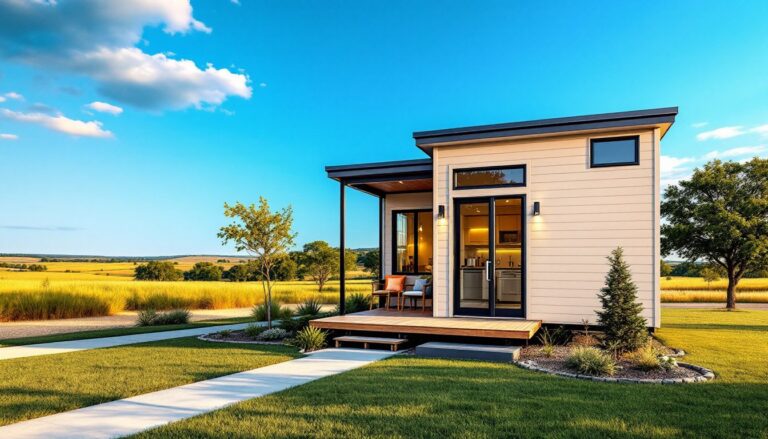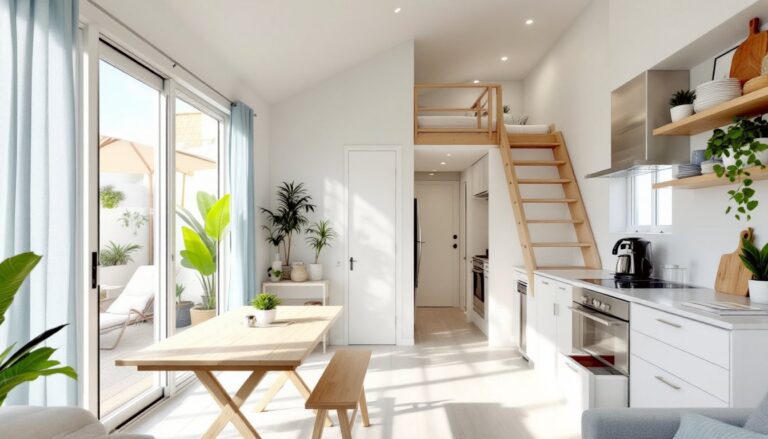
The $2000 tiny home, it sounds like a fairy tale for anyone priced out of the traditional housing market. But in 2026, as the tiny home movement matures and inventory grows, genuinely affordable options do exist. The catch? They’re often pre-owned, require strategic searching, and demand careful inspection before you sign anything. This guide cuts through the hype and walks you through what’s actually available, where to find these budget-friendly tiny homes, and what red flags to watch for when buying cheap.
Table of Contents
ToggleKey Takeaways
- $2000 tiny homes for sale are typically pre-owned units or shells requiring finishing work, not move-in-ready properties, so budget for additional delivery, foundation prep, and utility hookup costs.
- Find affordable tiny homes on Facebook Marketplace, Craigslist, and specialty sites like Tiny House Listings, but verify legitimacy by checking for multiple interior photos, detailed descriptions, and clear inspection policies.
- Always inspect the structural integrity of a tiny home before purchasing by checking for rust, water damage, mold indicators, and roof condition—moisture content above 16% signals serious leaks.
- Hire an independent inspector for $300–$500 even at the $2000 price point, as hidden costs like HVAC replacement ($3,000–$5,000) or frame damage can quickly turn a bargain into a money pit.
- Verify title clearance, request repair history and warranty documentation, and avoid vague ‘as-is, where-is’ sales without professional inspection to protect yourself from salvage operations or insurance write-offs.
Understanding the $2000 Tiny Home Market
What Qualifies as a Tiny Home
A tiny home isn’t just marketing jargon, it’s a structural category. The tiny home community generally defines anything under 400 square feet as tiny, though most fall between 100 and 300 square feet. Some are built on trailers (technically RVs), others sit on permanent foundations. The distinction matters because it affects legality, financing, and resale potential.
Most $2000 homes in this market are pre-built, used units or basic shell structures. A brand-new, code-approved tiny home on a foundation typically starts at $35,000 to $50,000 minimum. Tiny Homes for Beginners: A Complete Guide to Getting Started covers fundamentals if you’re entirely new to the space.
Price Range Expectations and Reality
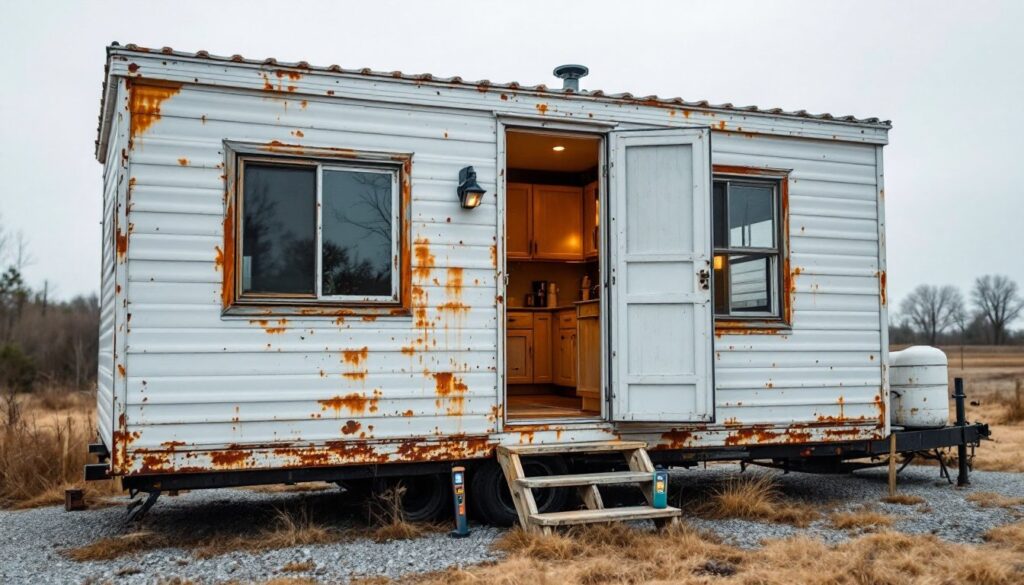
When you see “$2000 tiny homes for sale,” understand what you’re actually buying. At that price point, you’re looking at used trailers or shells needing finishing work, not move-in-ready homes. A mobile-style tiny home from the 1990s or 2000s, perhaps damaged by weather or needing cosmetic repairs, might carry that tag. Some are salvage operations or insurance write-offs being resold.
Budget for hidden costs. Delivery alone can run $1,000–$3,000 depending on distance. Foundation prep, utility hookups, permits (if required locally), and inspections add thousands more. Regional markets vary wildly: rural areas in the South and Midwest offer cheaper inventory than coastal states. Top Tiny Homes: Best Designs for Compact Living showcases higher-end examples to show the spectrum.
Where to Find Affordable Tiny Homes
Online Marketplaces and Listings
The main platforms for budget tiny homes are Facebook Marketplace, Craigslist, OfferUp, and specialty sites like Tiny House Listings and TinyHomeHub. Facebook Marketplace trends toward local sales (no shipping), making it easier to inspect before buying. Search terms like “tiny home,” “mobile home,” “portable cabin,” and “RV shell” cast a wider net.
Be skeptical of national listings with stock photos or vague descriptions. Legitimate sellers provide multiple photos of the interior, roof condition, plumbing, and electrical systems. Red flags include “as-is, where-is” sales without inspections, listings with typos suggesting low professionalism, or prices so low they defy logic for the stated condition.
Essential Tiny Homes Tips for Smarter Small-Space Living includes vetting strategies and what questions to ask sellers before scheduling a viewing.
Alternative Sources and Auctions
Insurance auctions, bank foreclosures, and estate sales occasionally feature tiny homes. Government auction sites like GSA Auctions and local county tax foreclosure lists sometimes include mobile homes. Estate sales by auction houses occasionally have sheds converted to tiny homes or DIY units.
Online auction platforms like Copart and IAA focus on salvage vehicles and damaged goods, but mobile homes do appear. Expect competition and no refund policy. Salvage auctions work if you’re mechanically or construction-savvy: otherwise, you’re inheriting someone else’s problem.
Research local tiny home builders who’ve discontinued a model or overstocked inventory. A builder offering leftover units at clearance prices is safer than private sales because they usually stand behind warranty and inspection. Tiny Homes Trends 2026: notes that 2026 may see more builder liquidations as interest rates fluctuate.
What to Inspect Before Buying
Before handing over cash, treat this like a structural inspection. Bring a moisture meter, flashlight, and a checked list. Don’t rely on the seller’s assurance, tiny homes, especially trailers, are prone to hidden water damage, mold, and structural rot.
Exterior and Frame: Walk the perimeter looking for rust stains, dents, or compromised sealing around windows and doors. Check the undercarriage if it’s a trailer unit, rusted frame components are expensive to fix and often indicate years of exposure. Look for soft spots in the floor by pressing firmly with your heel: bounciness or flex suggests water damage or rotted substructure.
Roof and Seams: Inspect the roof shingles, flashing, and all seams where sections meet. Use a moisture meter on the ceiling and walls in corners: anything above 16% moisture content signals active or past leaks. Tiny homes compress systems tightly, so a small leak spreads fast.
Plumbing and Systems: Run water at all fixtures and check under sinks for leaks or corrosion. Inspect the septic or black-water tank if it’s included. Ask for the electrical panel rating and have it visually checked: older trailers may have sketchy wiring. HVAC systems in tiny homes age faster due to heavy use: a dead furnace or AC unit at $2,000 purchase price means sudden $3,000–$5,000 replacements.
Windows and Doors: Open and close each window and door. Stuck frames, cracks, or poor seals are cheap cosmetic fixes but signal age and wear. Tiny Homes vs. Traditional compares durability expectations.
Documentation: Confirm title is clear and the unit isn’t liened or financed. Request any repair history, warranty information, and past inspection reports. For mobile homes, verify the manufacturer and year on the VIN plate.
Consider hiring an independent inspector for $300–$500. On a $2,000 purchase, this feels expensive, but it prevents buying a money pit. Resources like Angi’s home inspection guides offer detailed checklists and contractor referrals if you need professional help assessing structural or system damage.