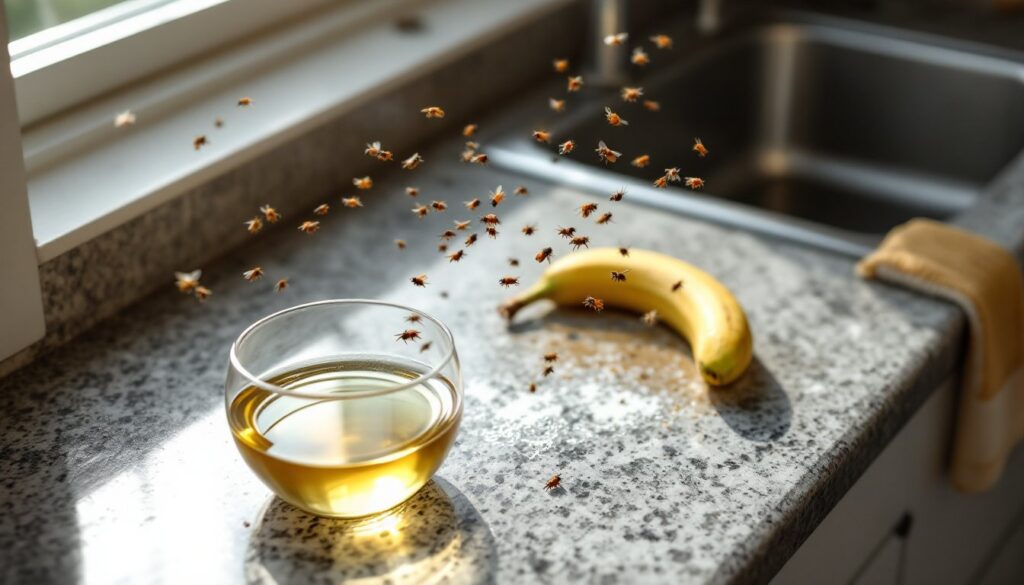
Those microscopic flies circling your fruit bowl or clustering near the kitchen sink aren’t just annoying, they’re a sign something in your home is attracting them. Whether you call them fruit flies, gnats, or drain flies, these tiny pests can multiply faster than you’d think, turning a minor nuisance into a full-blown infestation within days. The good news? Identifying what you’re dealing with and taking decisive action can eliminate them quickly. This guide walks you through identification, removal methods, and the prevention strategies that actually work to keep your home fly-free.
Table of Contents
ToggleKey Takeaways
- Tiny little flies in your house—whether fruit flies, fungus gnats, or drain flies—reproduce at alarming speeds, turning minor problems into infestations within days if left untreated.
- Remove food sources immediately: discard overripe produce, clean garbage disposals, and wipe counters; for drain flies, pour boiling water followed by baking soda and vinegar down affected drains.
- Apple cider vinegar traps work remarkably well and cost almost nothing—add a drop of dish soap, place near high activity areas, and change daily for at least a week after the last fly.
- Prevent tiny little flies from returning by storing produce in sealed containers or the refrigerator, reducing moisture around houseplants, and sealing windows and doors to block entry points.
- Call a professional pest control service if flies persist after two weeks of treatment or if you suspect breeding sites in inaccessible areas like walls or deep plumbing systems.
- Fungus gnats thrive in overwatered soil, so let houseplant soil dry between waterings and use yellow sticky traps on the soil surface to catch adults before they reproduce.
What Are Those Tiny Flies in Your Home?
Common Types of Indoor Flies
The tiny flies bothering you fall into a few predictable categories, and knowing which one you’re dealing with helps you target them effectively. Fruit flies are the most common culprit, they’re tan or reddish-brown, roughly 1/8 inch long, and gravitate toward fermenting fruit, vegetables, and sugary liquids. You’ll spot them hovering over a forgotten banana on the counter or swarming a glass of wine left overnight. Fungus gnats are darker (almost black), slightly smaller, and breed in moist soil and decomposing plant matter. If your houseplants are sitting in consistently wet soil, fungus gnats are probably your problem. Drain flies, also called moth flies, are fuzzy, grayish, and about 1/8 inch long, they thrive in the organic buildup inside pipes and are tougher to eliminate than the other two because the source is hidden. All three types reproduce at alarming speeds, with females laying hundreds of eggs that hatch in 24 to 48 hours under warm conditions, which is why a small problem becomes overwhelming fast.
Why They’re Attracted to Your Home
Tiny flies exist in nature to break down decaying organic matter, that’s their job. Your home becomes attractive when it provides what they need: food sources and moisture. Fruit flies are drawn to ripening fruit, fermenting vegetables, spilled juice, and the residue inside garbage disposals and compost bins. Wine, beer, and vinegar are especially magnetic because of their fermented sugars. Fungus gnats need damp soil and decomposing organic material, so overwatered houseplants and indoor composting setups are their ideal breeding grounds. Drain flies live off the sludge and organic buildup in pipes, the kind of gunk that accumulates when you’re not actively cleaning drains. The reason flies seem to appear out of nowhere is that they’re hitching rides. You bring infested produce home from the store, or they enter through open windows, doors, and even screens with small tears. Once one fly finds a suitable breeding ground, you’re looking at exponential growth within a week.
Quick Methods to Get Rid of Tiny Flies
Natural Solutions That Work
Start with the obvious: remove or isolate the food source. For fruit flies, toss overripe produce, empty the trash daily, and clean the garbage disposal by running hot water and grinding up a few ice cubes, this dislodges stuck food particles where flies breed. Wipe down counters and stovetops to eliminate sticky residue. A vinegar trap works remarkably well and costs almost nothing. Pour apple cider vinegar into a shallow bowl or jar, add a drop of dish soap (which breaks surface tension), and leave it uncovered near where you see the most activity. Flies are attracted to the smell, land on the surface, and drown. Change the trap daily, and you’ll watch your fly population plummet. You’ll need to maintain this for at least a week after the last fly disappears, because you’re still waiting for larvae in the environment to mature and get caught.
For fungus gnats, the fix is mostly about watering discipline. Let soil dry out between waterings, stick your finger 1 inch into the soil, and only water if it feels bone dry. If a plant is severely infested, repot it into fresh, dry soil and dispose of the old soil in a sealed bag. A gnat trap works similarly to the vinegar method: use yellow sticky traps (inexpensive and available at any garden center) placed on the soil surface or nearby. These catch adults before they lay more eggs.
For drain flies, you’ll need to clean inside the pipe where they’re breeding. Pour boiling water down the drain, followed by 1 cup of baking soda and 1 cup of white vinegar. Cover the drain with a plug and let it sit for 30 minutes, then flush with more boiling water. This breaks up the sludge where flies live. Repeat every few days until they’re gone. If that doesn’t work, a drain brush or plumber’s snake can physically remove the buildup. As a last resort, a enzymatic drain cleaner formulated to eat organic matter can help, though these take longer than mechanical methods. Recent guides on eliminating fruit flies recommend combining multiple approaches for faster results.
Prevention Tips to Keep Flies Out for Good
Once you’ve cleared out the flies, keeping them away is about eliminating attractants and blocking entry points. Store produce properly: Keep fruit in the refrigerator, or if you prefer it on the counter, place it in a sealed container or a fruit bowl with a lid. Don’t let bananas, tomatoes, or avocados sit out for days waiting to be eaten. Empty and rinse trash cans regularly, especially if they contain food waste, take out the garbage every couple of days during warm months. Compost bins should be sealed and emptied frequently. Wash dishes immediately and don’t leave standing water, damp sponges, or food-soaked utensils in the sink. Clean under and behind appliances quarterly, because spilled food and grease accumulate in places you can’t see.
For houseplants, water only when soil is actually dry. Use a well-draining potting mix (not garden soil, which retains too much moisture), and ensure pots have drainage holes. If you’ve had fungus gnats, switch to a soil with perlite or sand mixed in, this helps soil dry faster. Seal or screen windows and doors to prevent flies from entering in the first place. Check window screens for tears, and consider installing door seals under exterior doors. Drain maintenance is ongoing: flush hot water down sinks regularly, and use a drain brush monthly to prevent the organic buildup where drain flies breed. Experts at The Spruce recommend this combined approach as the most effective long-term strategy.
When to Call a Professional
If you’ve followed these steps for two weeks and flies are still multiplying, or if you suspect an infestation is hiding in walls or an inaccessible area, it’s time to call a pest control professional. Some infestations, particularly with drain flies, can be rooted in problems deeper in your plumbing system that require a licensed plumber to diagnose. A professional can identify breeding sites you’ve missed and apply targeted treatments safely. They may recommend fogging, targeted chemical applications, or specialized drain cleaning with equipment you don’t have access to. Costs vary widely by region and severity, but expect to pay $150 to $400 for an initial inspection and treatment. Some professionals offer follow-up visits included in the service, which is worthwhile if the problem is stubborn. This is especially true for structural issues, if flies are coming from a crawlspace or wall cavity, DIY methods won’t reach them. For expert-recommended approaches, solutions for removing fruit flies detail when professional help becomes necessary.