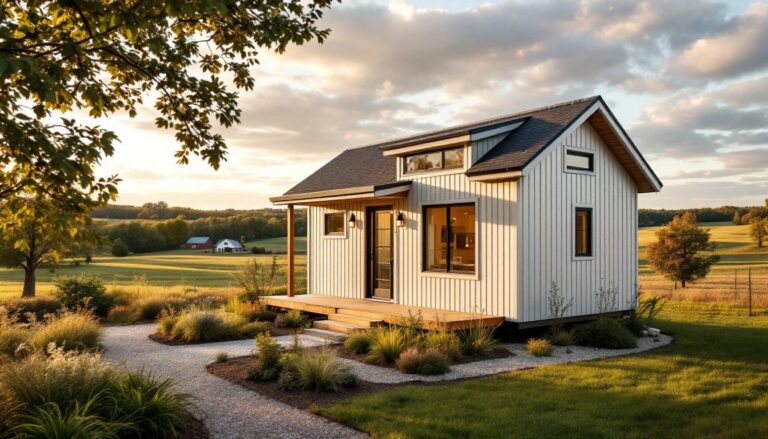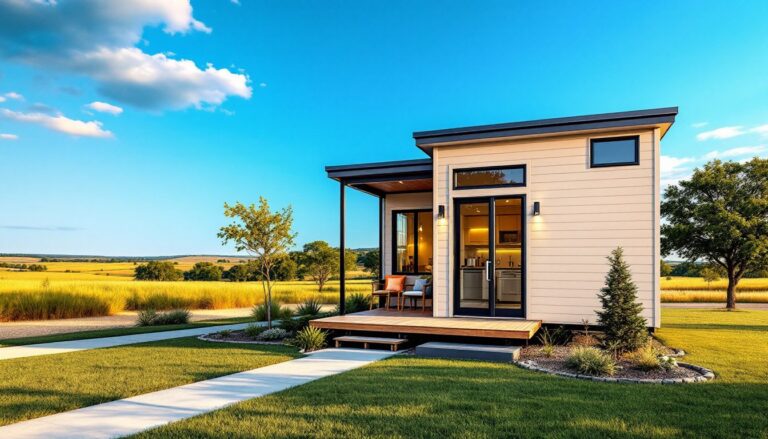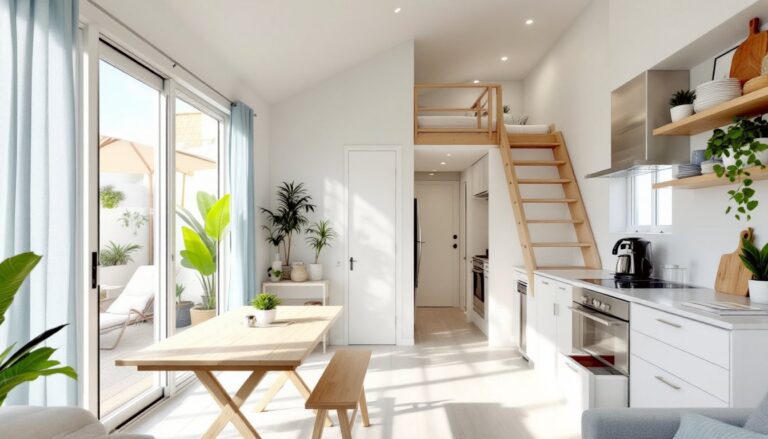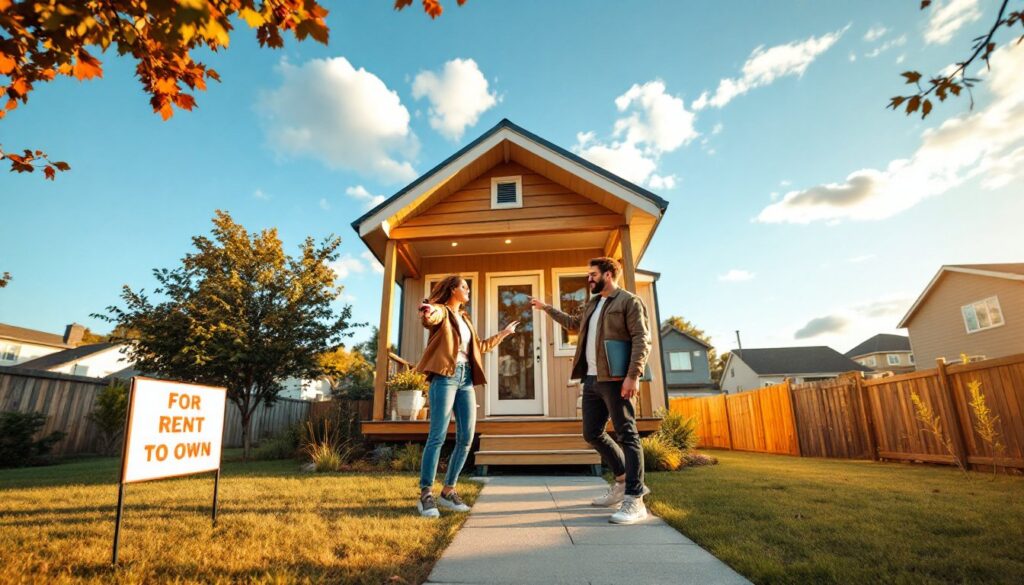
The tiny home movement has shifted from a niche lifestyle trend to a legitimate pathway for affordable homeownership. But what if you’re not ready to commit to a full purchase? That’s where rent-to-own agreements come in. Rent-to-own tiny homes bridge the gap between renting and buying, letting you build equity while testing the lifestyle before making a permanent financial commitment. In 2026, as housing costs continue climbing, more buyers are exploring this flexible option. Whether you’re priced out of traditional mortgages or simply want to dip your toes into tiny living first, understanding how rent-to-own tiny homes work is the first step toward affordable homeownership.
Table of Contents
ToggleKey Takeaways
- Rent-to-own tiny homes allow you to build equity while renting, with a portion of monthly payments credited toward a future down payment, without requiring traditional mortgage approval.
- A typical rent-to-own tiny home agreement includes an option fee ($2,000–$5,000), monthly lease payments, and a predetermined purchase price, letting you lock in today’s price while preparing for ownership.
- Rent-to-own tiny homes cost significantly less upfront than traditional home purchases—you only need funds for the option fee and first month’s rent, making homeownership accessible for buyers with limited savings or credit challenges.
- Before signing any rent-to-own agreement, secure mortgage pre-approval, clarify maintenance responsibilities, understand exit clauses, and verify the property is legally permitted in your jurisdiction.
- Start serious mortgage shopping 6–12 months before your lease ends, and bring documented rent payment history to lenders as proof of your ability to manage housing costs responsibly.
- Rent-to-own tiny homes bridge the gap between renting and buying by letting you test the lifestyle commitment risk-free while building toward affordable homeownership in a high-cost housing market.
What Is Rent to Own for Tiny Homes?
A rent-to-own agreement for a tiny home is a lease arrangement that includes an option to purchase the property before the lease term ends. Think of it as a stepping stone: you rent the tiny home for a set period (typically 2–4 years), and a portion of your monthly rent payment gets credited toward your future down payment. You control the property during the lease, handle maintenance, and prove you can manage homeownership costs, all while locking in a purchase price today, regardless of market fluctuations.
The structure differs from a standard lease because it includes a purchase option agreement. This legally binding document outlines the option fee (typically $2,000–$5,000 upfront), the monthly lease payment, how much of that payment credits toward the purchase, and the agreed-upon purchase price. You’re essentially paying to hold the right to buy at a predetermined price, which protects you from price increases in a hot market.
Tiny homes make rent-to-own attractive because they’re lower in absolute cost. A tiny home might rent for $800–$1,200 monthly, making that equity-building path faster than in a traditional house. Plus, tiny homes trends 2026 show growing developer interest in rent-to-own models as a marketing tool, expanding your options.
Key Advantages of Rent to Own Tiny Living
Building Equity While You Rent
The most powerful advantage of rent-to-own is simple math: part of what you’re paying goes toward ownership. If you’re paying $1,000 monthly and $200 is credited to the down payment, you’re banking $2,400 per year without a traditional mortgage approval process. Over a three-year lease, that’s $7,200 closer to ownership, money that typically vanishes in a standard rental.
You also test the lifestyle commitment without full financial risk. Many people romanticize tiny living until they actually live in 400 square feet and realize they need more space. A rent-to-own lease lets you exit at lease end if tiny living isn’t your forever home, without the penalty of a failed property sale.
Lower Initial Costs and Commitment
Rent-to-own eliminates the traditional mortgage barrier. No down payment requirement upfront, no debt-to-income ratio scrutiny, and no years of credit score rebuilding. You only need enough cash for the option fee and first month’s rent, a fraction of what a conventional home purchase demands.
This matters for buyers with damaged credit, inconsistent income history, or limited savings. During the lease period, you’re building payment history and (hopefully) improving credit, so you’re a stronger candidate for a traditional mortgage by purchase time. You’re also locking in today’s price while you prepare for tomorrow’s mortgage. If the market heats up, your predetermined purchase price looks like a steal.
How to Find and Evaluate Rent to Own Tiny Home Opportunities
Finding rent-to-own tiny homes requires digging beyond standard rental sites. Traditional platforms like Zillow and Apartments.com do list some rent-to-own properties, but your best bet is searching MLS listings with a real estate agent experienced in these deals. Tell them you’re looking specifically for rent-to-own tiny homes or ADUs (accessory dwelling units), which overlap significantly.
Specialized platforms and local tiny home developers are goldmines. Search “rent to own tiny homes” plus your state or region, and you’ll surface local builders and property managers running these programs. Websites like ImproveNet also connect you with local contractors and developers who may have rental-to-purchase inventory.
When evaluating a deal, run the math first. Request the lease payment, option fee, purchase price, and the portion of rent credited monthly. Use a spreadsheet or calculator to project total costs at purchase time. Compare that final price to current market value for similar tiny homes in your area, if it’s significantly higher, you’re paying for optionality and should accept that or walk.
Inspect the property thoroughly before signing. Because it’s technically a rental agreement, landlord-tenant law applies initially, but your purchase obligation changes liability later. Hire an inspector and verify the tiny home’s condition, any warranty work, and hidden structural issues. Ask about utilities included, maintenance responsibilities (yours or theirs), and who pays for major repairs during the lease.
Important Terms and What to Watch For
The option fee is non-refundable, so understand exactly what you’re paying for. Some deals credit part of it toward the purchase: others don’t. Ask explicitly and get it in writing. This fee buys you the right (not the obligation) to purchase, so you’re not stuck even if circumstances change.
Mortgage pre-approval is critical. Before signing any rent-to-own agreement, get pre-approved for a traditional mortgage at the purchase price you’re agreeing to. This isn’t a full approval, but it confirms lenders believe you’ll qualify by lease end. If pre-approval isn’t possible, honestly assess why: credit issues, income documentation problems, or unrealistic purchase price expectations. Rent-to-own solves some financing barriers, not all of them.
Maintenance liability must be crystal clear. In most agreements, once you’re in a rent-to-own contract, you maintain the property like an owner, roof repairs, plumbing, foundation work. This is a cost advantage (landlord isn’t nickel-and-diming you through your rent), but it’s also a financial risk. Budget for unexpected repairs. Get a home warranty if possible.
Exit clauses matter. Can you back out? What happens if you don’t qualify for a mortgage by lease end? Are you refunded anything, or do you lose the option fee and accrued credits? These scenarios hurt, so negotiate protections if possible. Some landlords are flexible: others aren’t. A real estate attorney reviewing your contract before signing is worth every penny.
Zoning and legality vary by jurisdiction. Tiny homes in some counties face restrictions: in others, they’re encouraged. Confirm the property is legally permitted for the use you’re renting it for, and verify you can actually purchase it once the lease ends. Curbed regularly covers tiny home zoning battles, so stay informed on your region’s stance.
Making the Transition from Renting to Ownership
As your lease nears its end (ideally 6–12 months before the option deadline), start mortgage shopping in earnest. Get quotes from multiple lenders, not just your bank. HomeAdvisor and similar platforms help you compare terms, though rates and programs vary. Bring your rent-to-own documentation to show the lender your payment history, 24–36 months of on-time rent is powerful proof you handle housing costs responsibly.
If you don’t qualify for a traditional mortgage by your deadline, you have limited options. You can negotiate an extension with the landlord (unlikely unless the market has cooled), walk away and forfeit your credits and option fee, or explore alternative lending like FHA loans with lower credit requirements. None are ideal, which is why pre-approval and timeline planning matter from day one.
Once you’ve secured a mortgage, the purchase itself is straightforward. Work with a title company, get a final inspection, and close just like any home sale. Congratulations, you own a tiny home. How to build a tiny home knowledge now applies if you want to customize or add value to your new property.
Before closing, ensure all repairs from the lease period are completed by the seller, and request a final walk-through. Some rent-to-own agreements include warranties or repair agreements, know what’s covered. Once you sign the deed, you’re responsible for everything: taxes, insurance, maintenance, and any defects. This is ownership reality, and it’s why inspections and due diligence during the lease phase are non-negotiable.
The Bottom Line on Rent to Own Tiny Homes
Rent-to-own tiny homes offer genuine flexibility for buyers blocked from traditional mortgages or hesitant about tiny living permanently. The model lets you build equity, lock in a price, and test the lifestyle with lower upfront risk. But it’s not a shortcut, scrutinize every term, confirm mortgage eligibility before signing, and budget for maintenance costs. Done right, rent-to-own becomes a practical bridge to affordable homeownership in a high-cost housing market.