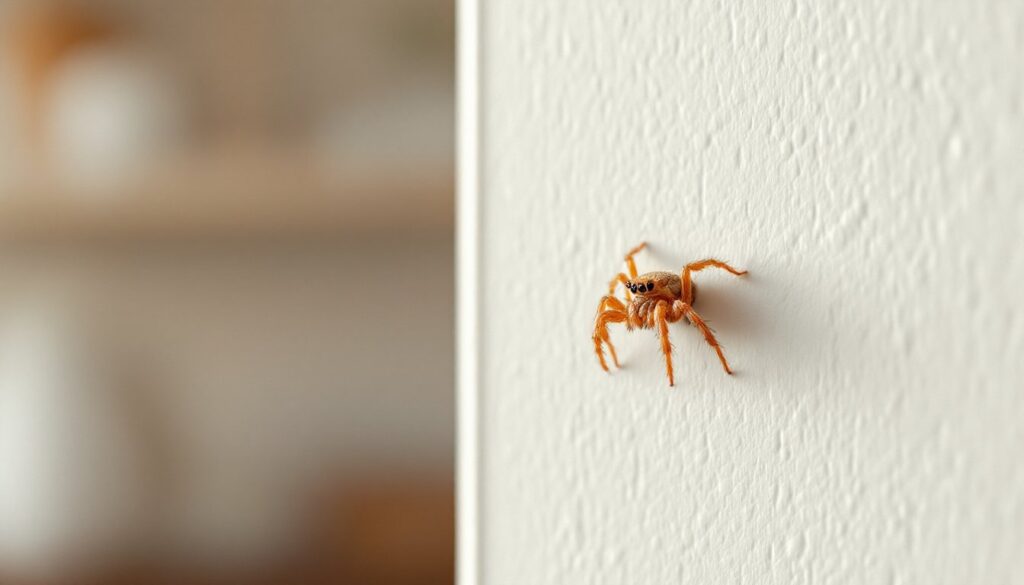
Finding a tiny brown spider in your house can trigger an instant panic, but before you reach for the shoe, take a breath. Most small brown spiders are harmless household visitors that actually help control pest populations like flies and mosquitoes. Understanding what you’re dealing with, why it’s there, and how to handle it calmly will make the experience far less stressful. This guide walks you through identifying common indoor spiders, understanding why they show up, and removing them safely without chemicals or needless harm.
Table of Contents
ToggleKey Takeaways
- Most tiny brown spiders found in homes, including American house spiders and jumping spiders, are completely harmless and actually help control flies, mosquitoes, and other household pests.
- Brown recluse spiders are geographically limited to the south-central and southwestern United States and are extremely rare indoors; identify them by their distinctive violin-shaped marking and unique eye arrangement before panicking.
- The safest way to remove a tiny brown spider is using a simple cup-and-cardstock capture method—place a cup over the spider, slide cardstock underneath, and release it outside at least 10 feet from your house.
- Spiders enter homes because of abundant prey insects attracted to food sources, moisture, and darkness; simply removing spiders won’t solve the problem without addressing underlying conditions.
- Seal entry points, reduce moisture with exhaust fans and dehumidifiers, eliminate food sources, and use yellow bug lights to prevent the pest insects that draw tiny brown spiders indoors in the first place.
Common Types Of Tiny Brown Spiders Found Indoors
House Spiders And Domestic Species
The majority of tiny brown spiders living in homes belong to species that thrive in human environments. The American house spider (Parasteatoda tepidariorum) is one of the most common, light to dark brown, about ¼ inch long, and found in corners, closets, and baseboards. These spiders are completely harmless and will happily hunt insects without bothering anyone.
Another frequent indoor resident is the brown jumping spider, recognizable by its stockier build, large forward-facing eyes, and jerky, purposeful movements. Even though their hunting prowess, jumping spiders are curious rather than aggressive and rarely bite unless crushed. They’re also much smaller than most people expect, often just the size of a lentil.
The cellar spider (also called daddy longlegs) appears brown and is exceptionally leggy and delicate-looking, though it’s technically a harvestman, not a true spider. It poses zero threat to humans and thrives in damp basements and crawl spaces. All three of these species are beneficial hunters that reduce actual pest populations.
Brown Recluse And Other Venomous Varieties
The brown recluse is the spider most people worry about, and for good reason, its venom can cause tissue damage in rare cases. But, brown recluse spiders are geographically limited to the south-central and southwestern United States and are extremely reclusive, rarely venturing into open spaces. Accurate identification matters: a brown recluse has a distinctive violin-shaped marking on its back, and its eyes are arranged in three pairs (six total) in a semicircular pattern, not the eight eyes arranged in two rows typical of most spiders.
If you live outside brown recluse territory, roughly anything north of a line from New Jersey to California, the odds of encountering one indoors are near zero. Even in endemic areas, brown recluse bites are uncommon because these spiders actively avoid confrontation. The Mediterranean recluse is another venomous species found in warmer climates, but it’s equally rare indoors.
When in doubt, photograph the spider and compare it to trusted identification resources or contact your local cooperative extension office, which offers free spider identification. Most tiny brown spiders in homes are harmless.
Why These Spiders Enter Your Home
Spiders don’t invade homes looking for shelter or water the way ants or termites do. They’re attracted to the abundance of prey, insects like flies, gnats, and mosquitoes that congregate around lights, food sources, and damp areas. If your home has tiny brown spiders, it’s because your home also has smaller insects they’re hunting.
Indoor insects thrive where there’s food, moisture, and darkness. Kitchens with crumbs or unsealed pantry items, bathrooms with humidity and drain flies, and basements with decomposing organic matter all attract prey insects. The spiders follow the food source. In other words, a spider problem is really a symptom of conditions that support smaller pest populations.
Spiders also move indoors during seasonal transitions, fall when outdoor temperatures drop and spring when they’re actively hunting. They slip through cracks, under doors, and via open windows without ceremony. Once inside, those that find suitable hunting grounds stay put and establish webs or hunting territories.
Understanding this chain helps explain why simply removing spiders won’t solve the problem. Addressing the underlying conditions, sealing entry points, reducing moisture, and eliminating food sources for their prey, is far more effective than repeatedly squashing individual spiders.
How To Safely Remove Tiny Brown Spiders
Non-Lethal Capture And Release Techniques
If a spider’s presence bothers you, capture and release is quick, humane, and effective. You’ll need just two items: a clear cup or small container and a piece of cardstock or thick paper. A transparent plastic cup (like a drinking cup from your kitchen) works perfectly because you can see the spider and confirm it’s harmless before deciding what to do.
Step-by-step capture:
- Place the cup over the spider, trapping it gently against the wall or surface.
- Slide the cardstock underneath, creating a seal that prevents escape.
- Flip the cup and cardstock together so the spider is now inside the cup, cardstock on top.
- Carry the cup outside, at least 10 feet from your house, and release the spider onto a plant, shrub, or garden bed.
- The spider will orient itself and resume hunting insects outdoors, where it’s genuinely beneficial.
This method takes 30 seconds and requires no chemicals or harm. If you’re squeamish about the process, enlist a family member or ask a neighbor, most people are willing to help.
For spiders you’re confident are harmless but reluctant to handle, another option is to simply leave them alone. A spider in the corner catching gnats and flies is working for you: it’s not breeding (spiders don’t infest like insects), and it won’t bite unless directly threatened. Many homeowners adopt a “live and let live” approach to house spiders after realizing they’re not a threat.
If you suspect a brown recluse and live in an area where they occur, resist the urge to capture it yourself. Contact a local pest control professional who can confirm identification and handle it safely. But, this scenario is rare.
Prevention Tips To Keep Spiders Out
The most effective spider control focuses on removing conditions that attract their prey. Start by addressing the fundamentals:
Seal entry points. Caulk gaps around baseboards, trim, and doorframes. Install door sweeps on exterior doors and adjust weather stripping so it seals tightly. Screen windows and vents to prevent insect entry. Many tiny insects slip through gaps smaller than a dime, sealing these spots cuts spider food sources directly.
Reduce moisture and humidity. Use exhaust fans in bathrooms during and for 20 minutes after showers, which prevents the humid environment drain flies and other moisture-loving insects prefer. Fix leaky pipes and ensure gutters direct water away from the foundation. A dehumidifier in basements and crawl spaces reduces mold and mildew growth that attracts springtails and other small insects.
Eliminate food and clutter. Keep the kitchen clean, store pantry items in sealed containers, and don’t leave pet food out overnight. Remove fallen leaves and organic debris from corners and under furniture, which can harbor insects. Regular vacuuming (including corners and under furniture) removes dust, dead skin cells, and insect eggs that feed other pests.
Manage outdoor lighting. Insects congregate around lights, and spiders follow. Replace outdoor bulbs with yellow “bug lights” that attract fewer insects, or relocate fixtures farther from entry points. Keeping interior lights off near windows and doors at night reduces insect attraction.
Review stored items. Cardboard boxes in basements and attics attract insects and create hiding spots for spiders. Store items in sealed plastic containers instead, and elevate them off the floor to improve air circulation and visibility.
These steps address the root cause, the insect populations that draw spiders indoors, rather than treating spiders as the primary problem. Resources like The Spruce and Real Simple offer detailed guides on home sealing and moisture control. When you reduce the pest insect population, spider presence naturally declines.