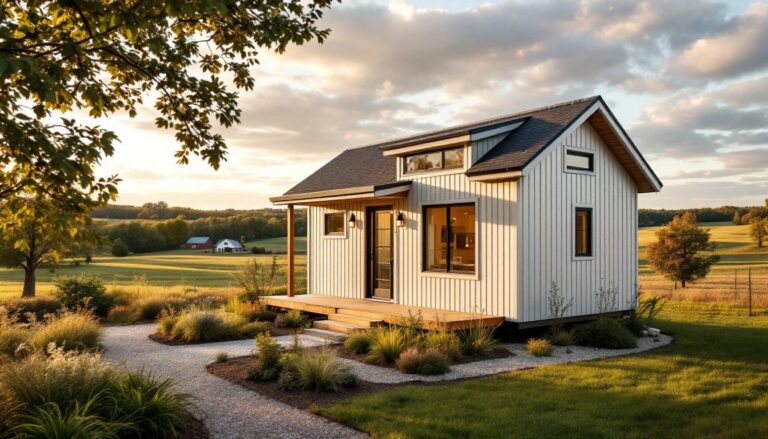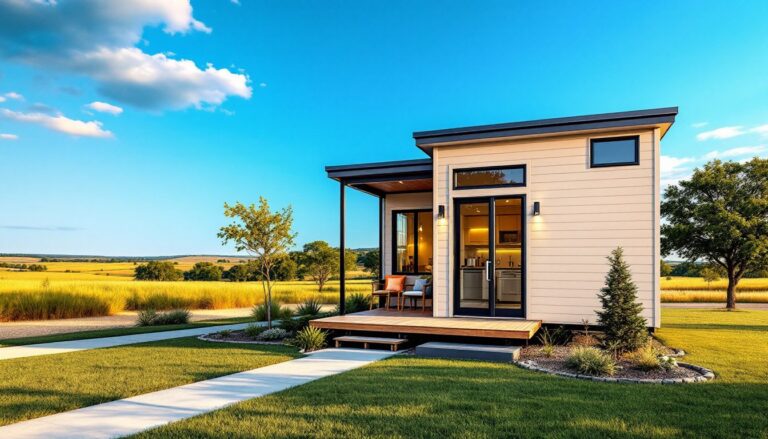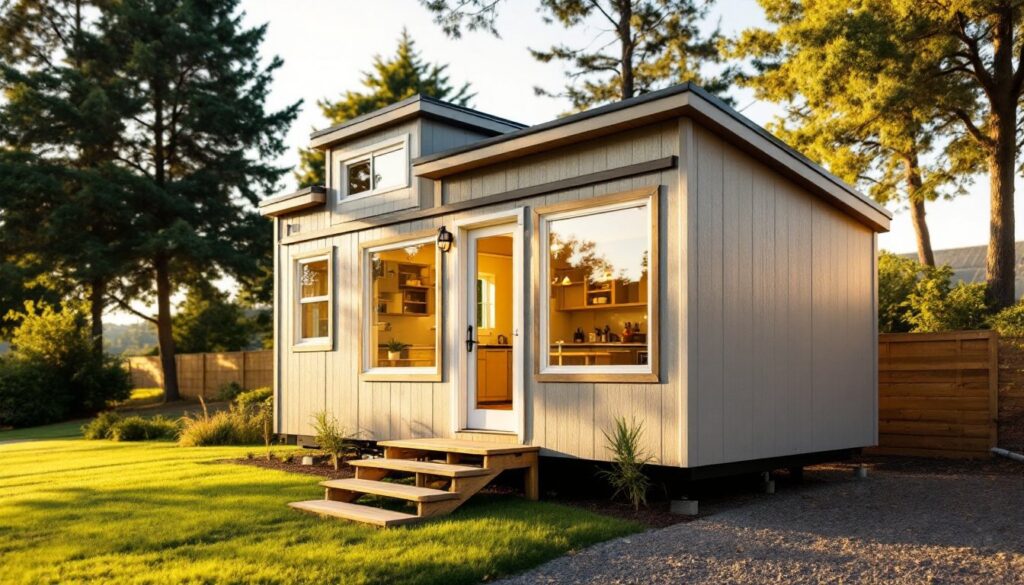
A 16×40 cabin offers homeowners and DIY enthusiasts a practical sweet spot in tiny house living. At 640 square feet, it’s spacious enough to avoid feeling cramped but compact enough to keep building costs, heating, and maintenance manageable. Whether you’re building a full-time residence, a vacation retreat, or an investment property, a 16×40 floor plan provides flexibility for modern living without unnecessary sprawl. This guide walks through proven layouts, design considerations, and customization options that turn a modest footprint into a functional, comfortable home.
Table of Contents
ToggleKey Takeaways
- A 16×40 cabin floor plan provides 640 square feet of practical living space that balances affordability and functionality for full-time residences, vacation retreats, or investment properties.
- Open concept designs with strategically placed load-bearing posts maximize perceived space and reduce construction costs, while zoning bedrooms on the same end of a 16×40 cabin simplifies electrical and HVAC efficiency.
- Proper insulation (R-21 walls, R-49 ceilings), triple-glazed windows, and ductless heat pump systems are essential for keeping small footprints comfortable and energy-efficient year-round.
- Grouping bathrooms and kitchens on the same wall cuts material costs and labor by running plumbing lines in parallel, while 2×6 framing provides extra inches for closets and better thermal performance.
- A partial loft over the kitchen or hallway (with at least 7.5 feet ceiling height and egress) multiplies usable space without consuming floor area, and permits plus inspections are non-negotiable for permanent structures.
- Foundation type (slab, pier, or stem wall) and roof pitch (at least 6:12 slope) must match your lot conditions and climate, enabling both livability and potential future relocation for some tiny house owners.
Why 16×40 Cabins Are The Perfect Size For Tiny Home Living
The 16×40 dimension hits a practical balance. You get 640 square feet of usable space, enough to avoid bunking features into walls, but small enough to avoid the cost and labor of a traditional home. Most zoning laws and building codes accommodate this footprint without special variances. Lenders and financiers are comfortable with tiny homes in this range, making financing more accessible than ultra-compact units.
There’s also a labor reality: a 16×40 cabin can be built or renovated by two skilled DIYers or one person with patience. Larger projects balloon quickly in complexity and equipment needs. At this size, you can hand-frame walls, install flooring, and handle exterior work without industrial equipment, though you’ll appreciate a second pair of hands for wall raising and roofing.
From a land perspective, 16×40 cabins work on smaller lots that might not accommodate larger structures. You’ll have room left for outdoor living, parking, or future expansion. If you’re exploring tiny house options, essential tiny homes tips can help you think through long-term livability before finalizing your design. The footprint also means utilities, electrical, plumbing, HVAC, run shorter distances, reducing material costs and installation complexity.
Popular 16×40 Floor Plan Layouts And Configurations
Open Concept Designs For Maximum Space
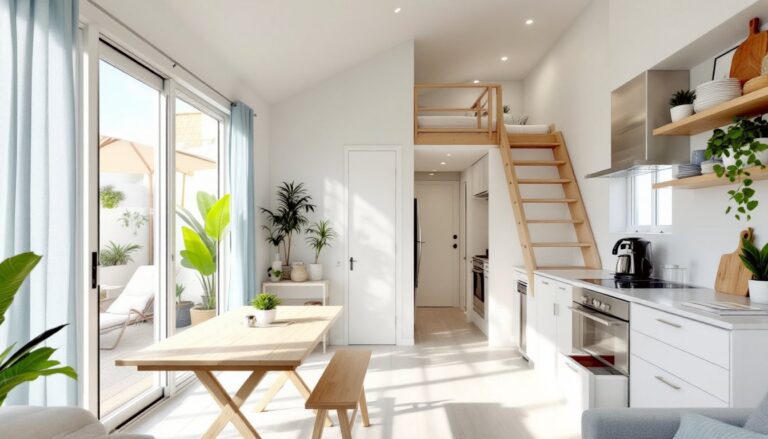
Many 16×40 plans eliminate interior walls between the living room, kitchen, and dining area. This creates a sense of openness and makes the space feel larger than it is. Load-bearing posts replace walls where necessary, these sit on a beam or foundation and carry roof loads to prevent sagging. Position posts strategically to frame a kitchen peninsula or define zones without blocking sightlines.
Open layouts require careful electrical and HVAC planning. Ductwork and wiring run through the floor cavity or over-the-joist space, and you’ll need to plan outlet locations before framing. Plumbing for the kitchen and bathroom groups concentrates in one chase (a vertical channel in the wall) to minimize wall penetrations and simplify rough-in work.
One trade-off: open plans can feel echoing and lack acoustic separation. Some owners add a half-wall, sliding barn door, or partial partition to reduce noise between living and sleeping areas while maintaining visual flow.
Bedroom And Bathroom Placement Strategies
Most 16×40 plans squeeze one or two small bedrooms into the footprint. A single 10’x12′ master bedroom at one end leaves room for a second 8’x10′ guest room or home office. Bedrooms on the same end of the cabin simplify electrical and HVAC zoning, you can close off that wing in cooler months to reduce heating costs.
Bathroomplacementmatters for plumbing efficiency. Group the bathroom and kitchen on the same wall so supply lines and drain stacks run in parallel, cutting material and labor. A single 5’x8′ bathroom typically suffices for one to two occupants: it’ll accommodate a shower stall, toilet, and vanity without feeling like a closet. If you want a bathtub, you’ll sacrifice floor space elsewhere.
Wall depth also counts. Using 2×6 exterior walls instead of 2×4 gives you roughly 2 more inches per wall face, enough to deepen closets or create alcoves. It also improves insulation value and reduces thermal bridging. Tiny homes techniques explain how wall thickness and insulation choices compound over time.
Essential Design Considerations For 16×40 Tiny Homes
Ceiling heights set the tone for livability. Code minimum is 7 feet, but many tiny homes use 8-foot or 9-foot ceilings for visual and psychological comfort. Taller ceilings eat into loft potential, but they reduce the claustrophobic feel. A vaulted or cathedral ceiling over the living area steals attic space but gives dramatic relief.
Insulation and thermal mass matter more in a small footprint. Heat loss or gain happens faster across smaller surface areas. Plan for at least R-21 wall insulation (nominal 2×6 framing allows this) and R-49 ceiling insulation if you’re in a cold climate. Windows and doors are your biggest thermal weak point, triple-glazed units cost more but cut heating and cooling loads significantly.
Natural light and ventilation keep 640 square feet from feeling claustrophobic. Size windows to let daylight reach interior corners. Plan for cross-ventilation with operable windows on opposite walls. A small exterior door or high transom window in a dark hallway pays dividends.
Loft or sleeping mezzanine options multiply usable space. A loft over part of the cabin (say, over the kitchen or hallway) adds sleeping or storage without consuming floor space. Building codes require at least 7.5 feet of ceiling height in loft spaces and emergency egress (a window or second exit). Most 16×40 cabins have enough roof pitch (at least 6:12 slope) to accommodate a partial loft comfortably.
Permits and inspections vary by jurisdiction but are mandatory for permanent structures. Check local building codes, some areas require licensed electricians and plumbers, others allow owner-builder work. A 16×40 cabin typically requires foundation, framing, electrical, plumbing, and final inspections. Budget time and money for permit fees and inspection scheduling: these aren’t optional shortcuts.
Building And Customization Options For Your Cabin
Foundation Types
Your lot and climate drive foundation choice. Permanent foundations, concrete slabs, stem wall and footer, or piers, are required for primary residences and most financing scenarios. A slab-on-grade is affordable and straightforward on flat, well-draining sites: it eliminates a crawlspace but ties the cabin to that location. Pier and post foundations work on sloped or wet sites and allow future relocation (important for some tiny house owners). Top tiny homes demonstrate how foundation choice shapes design and mobility.
Framing and Materials
Standard 2×4 or 2×6 stud framing is the norm. 2×6 walls cost more but save money later through better insulation and fewer thermal bridges. Roof framing can be conventional rafter framing (labor-intensive but flexible) or prefab trusses (faster, less waste, but fixes roof structure). For a 16×40 span, you’ll use roof trusses with about 24-inch spacing and a 6:12 or steeper pitch to shed water and create usable space underneath.
Exterior cladding options range from T1-11 plywood (budget-friendly but requires ongoing maintenance) to metal siding, board-and-batten, or fiber cement. Asphalt shingles are standard roofing: metal roofing costs more upfront but lasts 40+ years versus 20–25 for asphalt.
Interior Finishes and Storage
Small spaces demand smart storage. Open shelving, wall-mounted cabinets, and built-in benches replace bulky furniture. Loft spaces and under-bed drawers maximize vertical square footage. Finishes like drywall, paint, and flooring follow standard processes but deserve careful color and material choices, light colors and matte finishes expand perception of space.
Flooring options vary by budget. Concrete scored and stained is durable and affordable: vinyl plank looks better and costs less than hardwood: real hardwood adds warmth but requires acclimation and ongoing care in humid climates. Radiant in-floor heating (running tubes beneath flooring) is luxurious but complex to retrofit and expensive upfront.
Mechanical Systems
A 16×40 cabin’s small volume makes efficient heating and cooling crucial. Ductless heat pumps (split systems) deliver heating and cooling without ductwork sprawl, one indoor unit per zone handles the load efficiently. Alternatively, a small forced-air furnace and central AC work if ductwork is planned early. Instant hot water (tankless units) saves space and eliminates standby losses, though they require higher gas flow rates or electric capacity.
Conclusion
A 16×40 cabin floor plan delivers livable square footage without the cost and complexity of a full-sized home. Smart layouts pair open living with defined sleeping and work zones. Thoughtful design choices, insulation, window placement, foundation type, and mechanical systems, determine whether the cabin feels spacious or cramped long-term. Whether you’re building from scratch or renovating an existing cabin, proper planning and sequenced construction yield a home that punches above its modest footprint. Start with a detailed floor plan that you understand completely, pull permits early, and take time on prep work. That cabin will reward you for years to come.