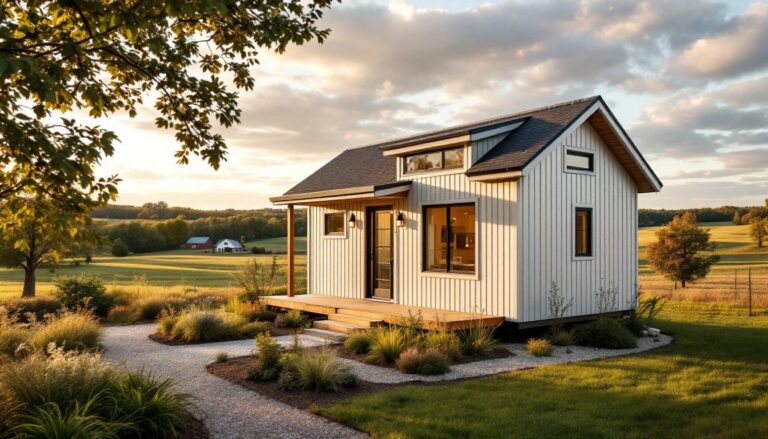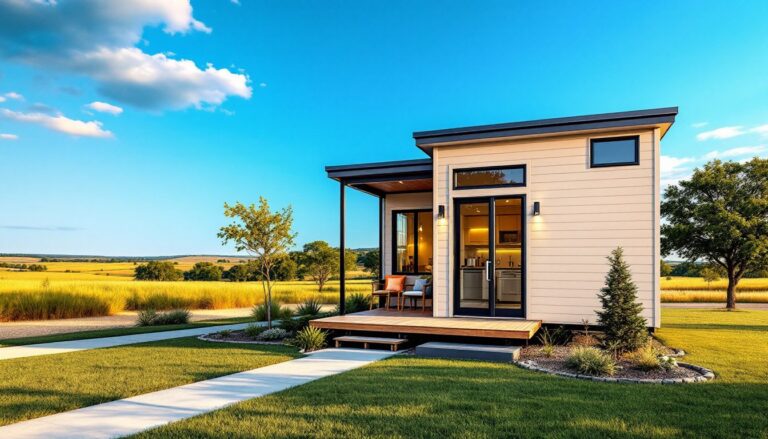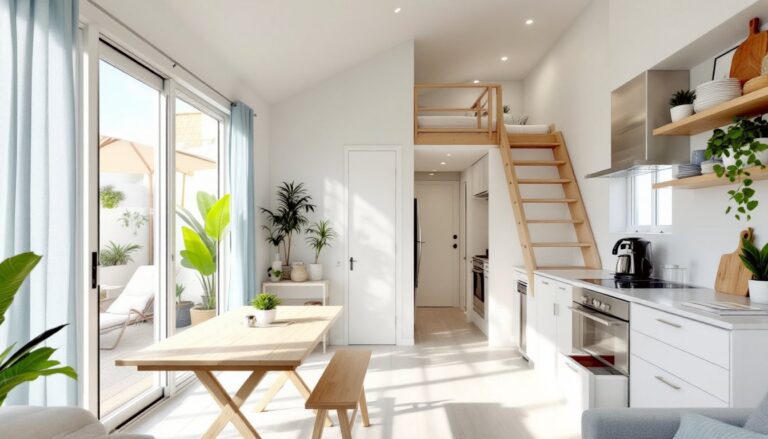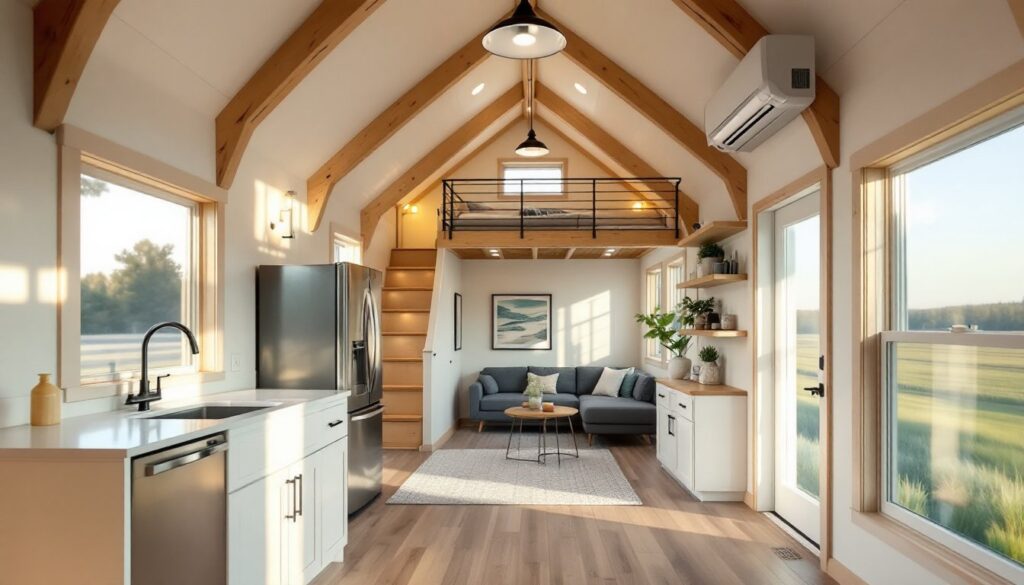
Tiny homes have become serious contenders in the housing market, and the first question most people ask is straightforward: how much do they actually cost? The answer isn’t simple, but it’s worth unpacking. Whether you’re downsizing, seeking financial freedom, or simply curious about alternative living, understanding tiny home pricing helps you make an well-informed choice. Costs range dramatically based on whether you’re buying a completed home, building from scratch, or going mobile. This guide breaks down where your money goes, from land and materials to hidden expenses, so you can see if a tiny home truly fits your budget and lifestyle.
Table of Contents
ToggleKey Takeaways
- Tiny home costs range from $35,000 to $150,000 for completed units, with professionally built models averaging $60,000 to $90,000, making them significantly more affordable than traditional single-family residences in high cost-of-living areas.
- Location, land costs, zoning regulations, and site preparation dramatically impact tiny home pricing, with expenses ranging from a few thousand dollars in rural areas to $150,000+ in urban centers plus foundation and permit fees.
- Material choices and customization heavily influence costs, ranging from $40–$80 per square foot for basic builds to $100–$150+ per square foot for premium finishes and energy-efficient systems.
- Financing tiny homes can be challenging, as traditional lenders often require higher-interest personal or RV loans (7–12% APR) instead of standard mortgages, and hidden costs like permits, insurance, and site preparation can add $8,000 to $25,000+.
- Tiny homes offer lifestyle benefits and monthly savings of $500–$1,500 for downsizers, but resale value is unpredictable and appreciation potential is lower than traditional real estate, so financial viability depends on your specific circumstances and local market.
Average Cost Range For Tiny Homes
As of 2026, the cost of a tiny home varies widely depending on whether it’s custom-built, pre-manufactured, or a ready-made purchase. Most completed tiny homes on the market range from $35,000 to $150,000, though custom builds and mobile units can push higher.
A typical finished tiny home, usually between 200 and 400 square feet, averages around $60,000 to $90,000 when professionally built. Pre-fab models tend to be more affordable, starting around $30,000 to $50,000, while custom builds with premium finishes and site-specific construction can exceed $100,000 to $200,000. Tiny houses on wheels (THOWs) often fall in the $50,000 to $80,000 range, reflecting the additional engineering and mobile infrastructure required.
Purchasing a used tiny home secondhand can reduce costs significantly, sometimes 20-30% below new build prices, though availability varies by region. The affordability factor is why many people find tiny homes attractive compared to traditional single-family residences, especially in high cost-of-living areas where a standard home easily exceeds $400,000 to $500,000.
Factors That Impact Tiny Home Pricing
Size and Square Footage
Square footage directly drives cost per unit. A 150-square-foot tiny home costs less to build than a 400-square-foot one, but the per-square-foot price actually increases for smaller units because certain fixed costs, foundation, electrical panels, roofing, plumbing stacks, don’t scale down proportionally.
For example, a basic 200-square-foot home might cost $250 per square foot, while a 350-square-foot model costs $200 per square foot because those fixed expenses are spread across more space. Labor for framing, electrical, plumbing, and finishing is another major factor: smaller homes can sometimes be completed faster, reducing labor costs, but complex layouts and custom storage solutions can offset that savings.
Location and Land
Where your tiny home sits matters enormously. The cost of land ranges from a few thousand dollars in rural areas to $50,000 to $150,000+ in or near urban centers. Zoning regulations also play a critical role: some jurisdictions actively welcome tiny homes with reduced parking and setback requirements, while others restrict them to RV parks or rural properties only.
Permit costs, impact fees, and site preparation vary dramatically. A lot requiring minimal grading and already served by utilities costs far less than one requiring septic systems, well drilling, or extensive clearing. Foundation type, which depends on soil conditions, frost lines, and local building codes, can add $5,000 to $15,000 or more. Mountain or coastal locations with challenging terrain inflate these costs significantly. Understanding local tiny homes trends and regulations in your area is essential before budgeting.
Building Materials and Customization
Material choices dominate the cost conversation once land and labor are accounted for. Standard materials, dimensional lumber, vinyl siding, basic drywall, and standard roofing, keep costs lower, while premium options push them up significantly.
A basic stick-frame build with vinyl siding, asphalt shingles, and standard interior finishes runs around $40 to $80 per square foot for materials. Upgrading to cedar siding, metal roofing, high-performance insulation, and luxury flooring (hardwood, large-format tile) can push material costs to $100 to $150+ per square foot. Customization, think integrated built-ins, lofted sleeping areas, hidden storage, or unconventional layouts, requires skilled carpentry and adds labor time.
Energy-efficient systems (heat pump HVAC, advanced insulation, triple-glazed windows) add cost upfront but reduce long-term utility expenses. Tiny homes benefit hugely from efficiency because every watt counts in a compact space. Material sourcing also affects pricing: bulk discount suppliers cost less than specialty retailers, and reclaimed or salvaged materials can reduce costs if you’re flexible on finishes.
The expertise required varies too. A standard rectangular tiny home is straightforward: an octagonal design or one with complex roof angles requires more skilled labor and specialized material cuts, increasing both labor and waste.
Financing and Hidden Costs To Consider
Financing a tiny home presents unique challenges because traditional mortgage lenders treat them as non-standard properties. Many won’t touch a THOW or a tiny home not permanently attached to land, forcing buyers toward personal loans, construction loans, or RV financing at higher interest rates.
RV financing for mobile tiny homes typically carries 7% to 12% APR versus 3% to 5% for traditional mortgages. Construction loans require upfront capital and convert to permanent financing once the home is complete, a process that adds time and complexity. Some credit unions and specialized lenders now offer tiny home mortgages at competitive rates, but you’ll need to shop aggressively.
Hidden costs catch many first-time tiny home buyers off guard. Permits, inspections, and legal fees can total $2,000 to $5,000+, varying by jurisdiction. If you’re placing a tiny home on land you own, site preparation, grading, utilities hookup, driveway, clearing, adds $5,000 to $20,000 depending on existing conditions. Insurance often costs more per square foot than standard homes because underwriters view them as specialty properties: expect $1,200 to $2,400 annually.
Property taxes vary wildly by location and how the home is classified (residential versus RV), but some regions charge less for tiny homes as an incentive. HOA fees apply if you’re placing your tiny home in a park: these typically run $300 to $600 monthly and sometimes include utilities. Learning from essential tiny homes tips can help you navigate unexpected expenses before they occur.
Is a Tiny Home Worth the Investment?
Whether a tiny home pencils out financially depends entirely on your circumstances. For someone downsizing from a $400,000 house with a mortgage, property taxes, and high utility bills, a $60,000 tiny home with minimal debt and lower monthly overhead can deliver real savings, often $500 to $1,500 monthly depending on location and current housing costs.
Resale value is less predictable than traditional homes. A well-built, aesthetically designed tiny home in a market with strong tiny home demand can appreciate modestly or hold value, but it won’t appreciate like standard real estate. If you’re buying as an investment or plan to resell in five years, approach carefully and study local market trends thoroughly. Tiny homes versus traditional houses reveal that tiny homes win on affordability but lose on appreciation potential in most markets.
The real value often lies in lifestyle and freedom. Lower housing costs free up capital for other goals, education, travel, debt payoff, or early retirement. Many tiny home owners cite reduced maintenance, simplified living, and environmental impact as equally important as financial savings. But, if you need significant space for family, work, or storage, or if your region has restrictive zoning, the limitations may outweigh financial benefits. Run detailed numbers for your specific situation before committing. Resources like HomeAdvisor’s tiny home cost data provide benchmarks, and Angie’s List guides on tiny homes on wheels offer detailed breakdowns of mobile-specific costs.