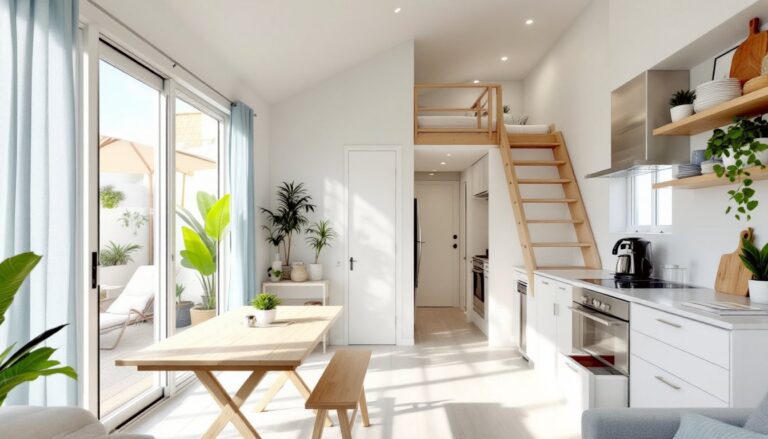
Interior design trends in 2025 reflect a shift toward comfort, authenticity, and conscious living. Homeowners want spaces that feel both stylish and personal. They’re moving away from cold, sterile aesthetics and embracing warmth, texture, and purpose.
This year brings a mix of old and new. Natural materials meet smart technology. Bold colors share space with quiet neutrals. Sustainability isn’t just a buzzword, it’s a design priority. These interior design trends show how people want their homes to feel: grounded, intentional, and uniquely theirs.
Table of Contents
ToggleKey Takeaways
- Interior design trends in 2025 prioritize natural materials like wood, stone, and linen to create warm, authentic spaces.
- Quiet luxury emphasizes quality over quantity, favoring understated, well-crafted pieces that stand the test of time.
- Bold colors and statement pieces are making a comeback, with jewel tones and oversized artwork adding personality to rooms.
- Sustainable design choices—including reclaimed materials, low-VOC paints, and local sourcing—are now a core priority for eco-conscious homeowners.
- Smart home technology seamlessly blends with timeless aesthetics, enhancing convenience without disrupting a room’s visual appeal.
- Balancing bold interior design trends with simpler elements creates cohesive spaces that feel intentional and uniquely personal.
Embracing Natural Materials and Earthy Tones
Natural materials dominate interior design trends this year. Wood, stone, clay, and linen appear in everything from furniture to accent pieces. These materials add warmth and texture that synthetic alternatives can’t replicate.
Oak and walnut remain popular for furniture, but lighter woods like ash and birch are gaining ground. Homeowners appreciate their ability to brighten rooms while maintaining an organic feel. Stone surfaces, think marble, travertine, and terrazzo, show up on countertops, coffee tables, and even wall treatments.
Earthy tones anchor many 2025 color palettes. Warm browns, terracotta, sage green, and creamy off-whites create calming backdrops. These shades work well together and pair easily with bolder accents.
Rattan and wicker furniture continue their comeback. They add casual elegance to living rooms, bedrooms, and outdoor spaces. Handwoven textiles like wool rugs and linen curtains complete the look.
This shift toward natural materials reflects a broader desire for authenticity. People want their homes to feel connected to the earth rather than removed from it.
The Rise of Quiet Luxury and Minimalist Elegance
Quiet luxury defines many interior design trends in 2025. This aesthetic values quality over quantity. It favors understated pieces that whisper sophistication rather than shout for attention.
The look relies on premium materials and excellent craftsmanship. A cashmere throw draped over a simple sofa. A hand-stitched leather chair. Handblown glass vases. These pieces don’t need logos or flashy details to make an impact.
Minimalist elegance goes hand-in-hand with quiet luxury. Clean lines and uncluttered spaces remain essential. But this isn’t the cold minimalism of years past. Soft curves, plush textures, and warm lighting add comfort to the equation.
Neutral palettes support this trend. Ivory, taupe, soft gray, and muted beige create sophisticated foundations. Layering different textures, velvet, bouclé, silk, adds visual interest without adding clutter.
Storage solutions hide everyday items from view. Built-in cabinets, hidden compartments, and closed shelving keep rooms looking serene. The goal is a space that feels edited and intentional.
Quiet luxury appeals to those tired of fast furniture and trend-chasing. It encourages investing in fewer, better pieces that last.
Bold Colors and Statement Pieces Making a Comeback
Not everyone wants neutrals. Bold colors represent some of the most exciting interior design trends this year. Deep blues, rich burgundies, and saturated greens appear on walls, furniture, and accessories.
Jewel tones create drama in living rooms and dining spaces. A sapphire velvet sofa becomes the focal point. An emerald accent wall transforms a boring bedroom. These colors add personality and energy to any room.
Statement pieces are back in a big way. Oversized artwork commands attention. Sculptural lighting fixtures double as art. Unique vintage finds tell stories and spark conversation.
Maximalism offers an alternative to minimalist restraint. Pattern mixing, florals with geometrics, stripes with plaids, creates layered, collected-over-time looks. This approach works for those who find minimalism too restrictive.
The key to pulling off bold interior design trends? Balance. Pair statement pieces with simpler supporting elements. Let one or two bold choices shine rather than competing for attention.
Color-blocking techniques create striking visual effects. A bright yellow door. A coral ceiling. These unexpected touches add surprise and delight to everyday spaces.
Sustainable and Eco-Conscious Design Choices
Sustainability shapes interior design trends more than ever. Homeowners want beautiful spaces that don’t harm the planet. This priority influences material choices, manufacturing processes, and purchasing decisions.
Reclaimed wood finds new life in furniture and flooring. Recycled metals appear in light fixtures and hardware. Vintage and secondhand pieces reduce demand for new production while adding character to rooms.
Low-VOC paints and finishes protect indoor air quality. Natural fiber textiles, organic cotton, hemp, jute, replace synthetic alternatives. These choices benefit both health and environment.
Local sourcing reduces transportation emissions and supports regional craftspeople. Many homeowners prefer pieces made nearby rather than shipped across oceans. This trend strengthens communities while lowering carbon footprints.
Durability matters more than disposability. Investing in well-made furniture that lasts decades beats replacing cheap pieces every few years. Quality interior design trends favor items built to endure.
Energy efficiency extends to design choices. Strategic window placement maximizes natural light. Thermal curtains regulate temperature. Smart thermostats and LED lighting reduce energy consumption without sacrificing style.
Blending Technology With Timeless Aesthetics
Technology integration marks key interior design trends in 2025. Smart home features are now expected rather than exceptional. But the best implementations blend seamlessly with traditional aesthetics.
Hidden technology keeps rooms looking clean. TVs disappear behind art panels or retract into furniture. Speakers hide in walls and ceilings. Charging stations integrate into nightstands and desks.
Voice-controlled lighting and climate systems add convenience without visible clutter. Motorized window treatments adjust automatically based on time and sunlight. These features enhance daily life quietly.
Smart kitchens lead technological adoption. Touchless faucets, smart refrigerators, and connected appliances streamline cooking and cleaning. Built-in tablet mounts and pop-up outlets support modern workflows.
Home offices benefit from thoughtful tech integration. Cable management systems hide wires. Adjustable monitor arms reduce desk clutter. Acoustic panels improve video call quality while adding visual interest.
The goal isn’t technology for its own sake. The best interior design trends use technology to support how people actually live. Convenience should enhance the home experience without dominating it.
Timeless design elements, natural materials, quality furniture, thoughtful layouts, remain the foundation. Technology serves these elements rather than replacing them.