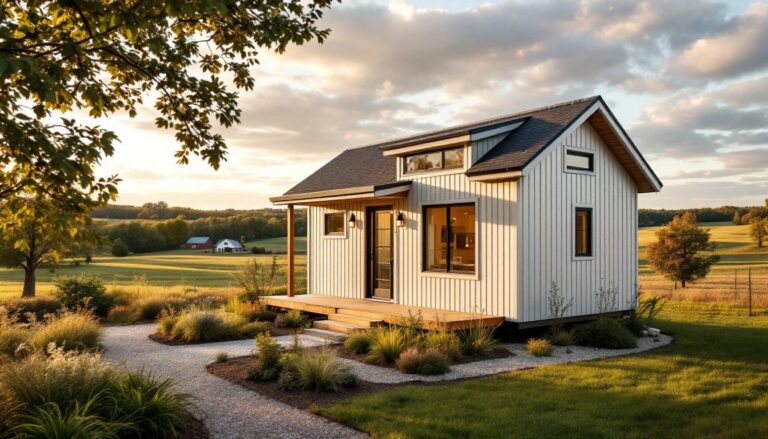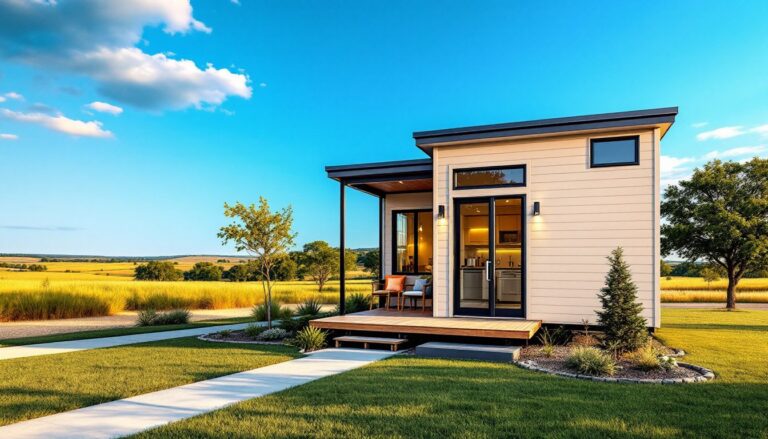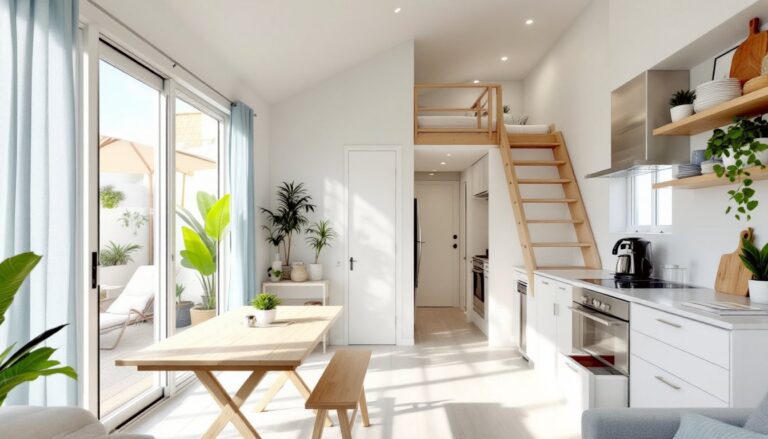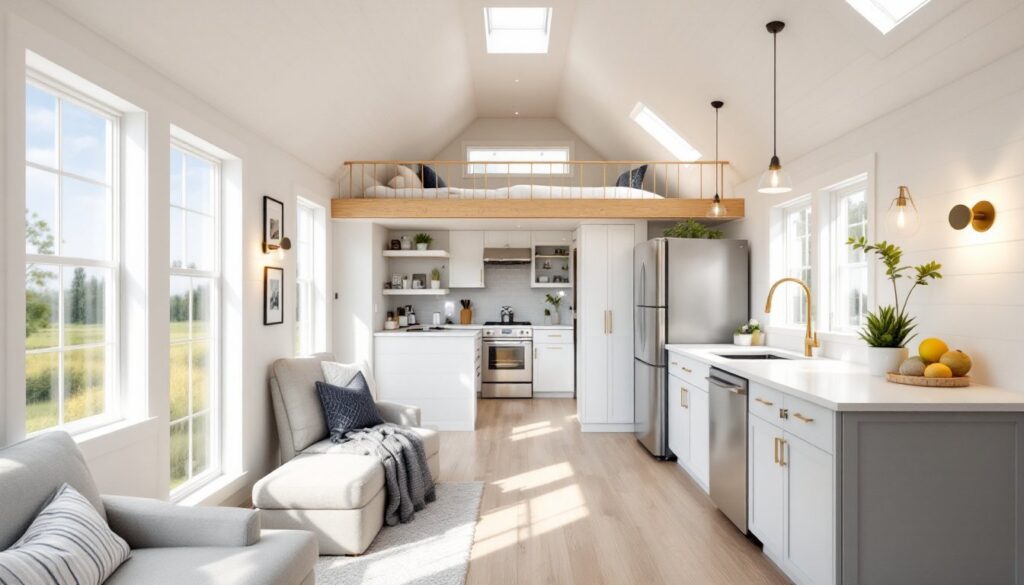
The tiny home movement isn’t a passing fad, it’s reshaping how homeowners think about living space. Whether driven by affordability, sustainability, or the desire for simplicity, more people are choosing smaller footprints without sacrificing comfort or functionality. Tiny home design has evolved from basic rectangular boxes to sophisticated, personalized spaces that maximize every square foot. The challenge isn’t fitting everything in: it’s making those tight quarters feel intentional, organized, and genuinely livable. This guide walks through practical design principles, layout strategies, and material choices that turn cramped into cozy.
Table of Contents
ToggleKey Takeaways
- Tiny home design transforms small spaces into functional, personalized homes by focusing on clarity of purpose, visual flow, and honest material selection rather than treating constraints as limitations.
- Multi-functional furniture and built-in solutions—such as murphy beds, storage ottomans, and integrated desks—maximize efficiency while maintaining clean lines and intentional design in tiny homes.
- Open-concept layouts paired with visual separators like half-walls, flooring transitions, and offset ceilings create the illusion of space without full enclosure, making the footprint feel larger and less chaotic.
- Layered lighting, light color palettes, and a cohesive material palette of two to three primary finishes prevent tiny home spaces from feeling fragmented or cramped while adding warmth and depth.
- Hidden, integrated storage solutions—including toe-kick drawers, floor-to-ceiling cabinetry, and under-bed organization—keep clutter invisible and maintain the clean aesthetic essential to small-space design.
Why Tiny Home Design Is Becoming a Top Home Trend
Tiny homes solve real problems. Rising housing costs push buyers into smaller spaces. Climate consciousness makes efficient, low-impact homes attractive. Remote work eliminates the need for a long commute, opening up rural or off-grid locations where land is cheaper and tiny homes thrive. People are also tired of maintaining sprawling properties and paying utility bills for square footage they never use.
But beyond logistics, tiny home design appeals to a mindset shift. Homeowners now see constraints as creative opportunities, not limitations. A 400-square-foot cabin or a 600-square-foot prefab doesn’t feel cramped when every inch serves a purpose. When designing a tiny home, maximizing space and style becomes an exciting puzzle rather than a frustrating compromise.
The Tiny Homes Trends driving 2026 show increased interest in open-concept layouts, outdoor living extensions, and adaptive reuse spaces. Lofts, murphy beds, and kitchen islands that double as workspace have become standard features, not luxury upgrades.
Essential Design Principles for Small Spaces
Good tiny home design rests on a few core principles: clarity of purpose, visual flow, and honest material selection. Every piece of furniture, fixture, and finish should earn its place.
Start by defining zones without building walls. Open-concept layouts work, but they need structure. A kitchen counter can visually separate the cooking area from the sleeping loft. A change in flooring material, say, tile to hardwood, signals a transition without a door. Vertical space becomes your ally: shelving, cabinetry, and storage climb walls rather than spread across floors.
Light matters more in tight quarters. Natural light from windows and skylights makes a 300-square-foot space feel larger. When natural light is limited, layered lighting, ambient overhead, task lighting at work surfaces, accent lights on shelving, adds warmth and depth while serving function.
Choose a consistent material palette. Using too many finishes (five different wood tones, four paint colors, mixed metals) fragments the space and makes it feel chaotic. Stick to two to three primary materials: perhaps warm white walls, natural wood floors, and metal accents. This cohesion makes tiny spaces breathe.
Multi-Functional Furniture and Built-In Solutions
Furniture in a tiny home must work harder. A dining table that folds against the wall when not in use frees up the center of the room. An upholstered ottoman provides seating, a footrest, and hidden storage in one piece. Young House Love covers excellent examples of DIY furniture projects that adapt function to fit small spaces.
Built-in solutions trump freestanding whenever possible. Custom shelving, window seats with storage underneath, and integrated desks take up less visual and physical space than separate pieces. Built-ins also feel intentional, as though the home was designed specifically for how you live, not filled after the fact.
Consider pieces that serve multiple purposes: a bed with drawers, a kitchen island with a breakfast bar and shelving, a bench seat with underneath storage. This approach isn’t about gimmicks: it’s about ruthless efficiency matched with honest materials and clean lines.
Layout Strategies That Open Up Tiny Homes
Layout makes or breaks a tiny home. A cramped, poorly arranged 500-square-footer feels smaller than a smartly organized 400-square-footer.
The open-plan approach works well for many tiny homes. Removing or eliminating non-structural walls (check building codes, some walls are load-bearing and require a structural engineer) opens sight lines. You can see from the entry through the living area into the kitchen and bedroom, making the entire footprint feel larger.
But, complete openness can feel chaotic. Use half-walls, partial dividers, or offset ceilings to create zones without full enclosure. A 3-foot-tall wall between the living room and kitchen provides visual separation while maintaining sightlines over the top.
Positioning the kitchen and primary sleeping area at opposite ends of the footprint helps too. It keeps cooking smells from seeping into bedding and gives the home a sense of progression as you move through it. Essential Tiny Homes Tips emphasizes thoughtful traffic flow, knowing where people naturally walk and planning accordingly prevents the layout from feeling like an obstacle course.
When lofting is an option (many tiny homes use a sleeping loft to preserve ground-floor living space), ensure the loft has adequate headroom (typically 5 feet minimum for building code compliance, though local codes vary). Position it above storage, a utility closet, or a bathroom, not above the main living area where headroom loss feels cramped.
Color, Lighting, and Material Choices for Small Spaces
Color psychology isn’t mystical: it’s practical. Light colors, warm whites, soft grays, pale blues, reflect light and expand visual space. Dark colors can work in tiny homes, but they require careful placement. A dark accent wall works better than dark cabinets or flooring in a small footprint: it adds drama without consuming the space.
Neutral doesn’t mean boring. Warm whites with natural wood tones feel inviting. Soft greige (gray-beige) pairs well with both warm and cool metallics. If you want color, choose one vibrant hue and use it strategically: a feature wall, a painted door, or kitchen cabinetry. Let it be intentional, not scattered.
Lighting strategy separates professional tiny home design from amateur approaches. Avoid a single overhead fixture. Instead, layer: recessed ambient lighting for general illumination, under-cabinet task lighting in the kitchen, and pendant lights above an island or dining area. Wall sconces near the bedroom or living area add warmth without taking up table space.
Material selection affects both durability and feel. The Kitchn offers kitchen design insights that apply equally to tiny home kitchens: durable, easy-to-clean surfaces make small kitchens function better. Stainless steel appliances and quartz countertops resist wear and maintain visual lightness.
Flooring deserves attention. Continuous flooring throughout (hardwood or laminate) makes the space feel unified. Rugs can define zones without visual fragmentation. Natural materials, wood, stone, linen, age gracefully and feel warmer than engineered alternatives, which matters when you’re living in closer proximity to your finishes.
Storage Solutions That Don’t Compromise Design
Storage is the silent killer of tiny home design. Too many visible bins and baskets make a space feel cluttered: too little storage makes daily life annoying. The solution? Hidden, integrated storage that doesn’t announce itself.
Build storage into walls. Cabinetry that goes floor-to-ceiling maximizes vertical space and looks intentional, not makeshift. Toe-kick drawers under kitchen cabinets capture space that would otherwise sit empty. Shelving beside a window, above a toilet, or along a hallway turns dead space into function.
Choose materials that match the surrounding finishes. Open shelving with coordinating brackets feels curated. Closed cabinetry hides clutter while maintaining clean lines. Top Tiny Homes: Best Designs showcase examples where storage is invisible, it exists, but it doesn’t compete for visual attention.
Consider garage-style cabinets for utility areas: laundry, mechanical systems, or entry mudrooms. These industrial-look cabinets are affordable, durable, and honest about their function. In living and sleeping areas, prioritize cabinetry that blends with walls and finishes.
Under-bed storage, closet organization systems, and vertical coat racks keep necessities accessible without sprawling across surfaces. The rule: every item should have a home, and that home shouldn’t be visible unless intentionally displayed. How to Build a tiny home with storage-first thinking from the start prevents retrofit headaches later.
Conclusion
Tiny home design isn’t about sacrifice, it’s about prioritization. When you eliminate excess, every decision becomes meaningful. Color, material, layout, and storage work together to create a space that feels larger, functions better, and reflects how you actually want to live. The trend isn’t fading: it’s maturing. Real-world examples prove that small doesn’t mean cramped, and constraints spark creativity. Start with honest assessment of what you use daily, design around that, and let the rest fall away.