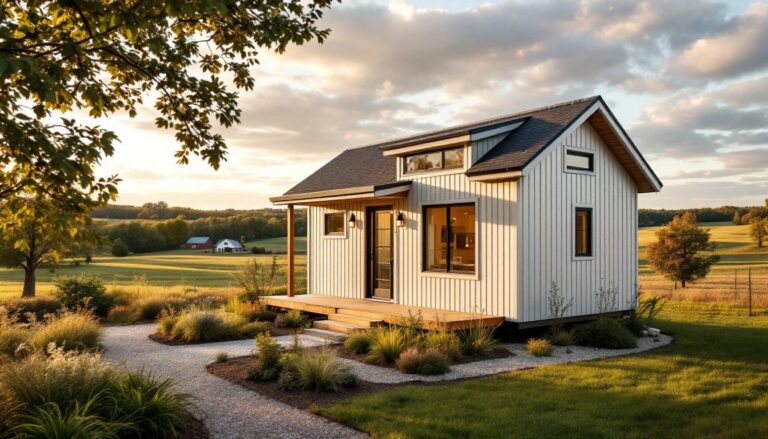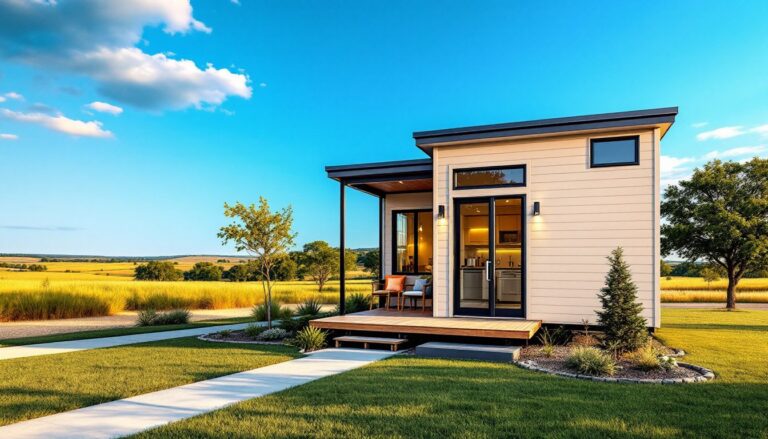
North Carolina is quietly becoming one of America’s top destinations for tiny home buyers, and for good reason. The state offers a compelling mix of affordability, favorable zoning laws in many jurisdictions, and diverse landscapes, from mountain communities to urban centers. Whether you’re drawn to the mountains of Asheville, the growth corridors around Charlotte, or rural areas with lower land costs, tiny homes in North Carolina present a real, achievable path to homeownership. This guide walks you through what’s actually available, where to look, what you’ll pay, and the legal landscape you’ll navigate as a buyer.
Table of Contents
ToggleKey Takeaways
- Tiny homes for sale in North Carolina offer affordability ($100,000–$400,000+) and legal flexibility compared to other states, making homeownership achievable in mountain communities, Charlotte suburbs, and rural areas.
- Asheville and western mountain regions lead the market with strong community support for alternative housing, though Asheville’s popularity has driven up land prices and competition.
- Before purchasing, verify zoning legality directly with county planning offices, inspect for off-grid systems and septic compliance, and obtain proof of permits and certificates of occupancy to avoid legal gray zones.
- Financing tiny homes requires specialized lenders; permanent foundations (concrete, piers) qualify as real property for better mortgage terms, while trailer-based homes are treated as personal property with less favorable financing.
- North Carolina’s mild climate, reasonable land costs, and diverse inventory (from entry-level trailer homes to architect-designed premium properties) create real opportunities for buyers across income levels and lifestyle preferences.
Why North Carolina Is Becoming A Tiny Home Hotspot
North Carolina’s rise as a tiny home destination stems from several hard facts. First, the state’s zoning codes vary widely by county and municipality, and many rural areas impose few restrictions on alternative housing types. Unlike states with blanket prohibitions on dwellings under a certain square footage, North Carolina generally allows tiny homes where local codes don’t explicitly forbid them.
Second, land costs remain reasonable compared to the Northeast or West Coast. Even near desirable towns like Asheville, raw land or pre-cleared lots run far less than similar acreage in Colorado or California. Third, the state’s building and electrical codes (adopted from the International Building Code and National Electrical Code) are enforced locally, meaning a sympathetic inspector or county can work with you on tiny home construction standards, though this also means you must verify local rules before purchasing.
Fourth, buyer demand is surging. Top Tiny Homes: Best showcase how compact dwellings appeal to millennials, retirees downsizing, and eco-conscious buyers. The cost-of-living advantage, a completed tiny home on land might run $150,000–$250,000 versus $300,000+ for a conventional house, drives genuine interest. The state’s moderate climate (no extreme winters like Minnesota, no brutal heat-and-humidity extremes like Deep South summers) makes tiny homes practical year-round.
Top Regions And Communities For Tiny Homes In North Carolina
Asheville And The Western Mountains
Asheville and surrounding Buncombe County have become the poster child for tiny home adoption in North Carolina. The city’s arts-forward culture, temperate climate, and strong community support for alternative housing have made it a magnet. Watauga County (Boone area) and Madison County also welcome tiny homes, partly because rural land remains affordable and local leaders recognize housing is a barrier for young professionals and retirees.
What you’ll find: Mixed inventory. Some properties are new-built, purpose-designed tiny homes on leased or owned land: others are ADUs (accessory dwelling units, granny flats or detached guest houses) on established estates. Prices range from $120,000 for a bare-bones structure to $300,000+ for a high-end, fully finished home on owner-occupied land.
Limitation: Asheville’s popularity has driven up land prices. Expect to pay a premium if you want walkability and proximity to downtown.
Charlotte Metropolitan Area
Charlotte, North Carolina’s largest city, presents a different opportunity. The sprawling metro area around Charlotte and its suburbs (Huntersville, Davidson, Concord) includes both urban-infill projects and suburban communities experimenting with tiny home neighborhoods. Some developers are now building tiny home communities (5–20 homes) on consolidated land, which simplifies permitting and utility infrastructure.
What you’ll find: More uniformity and newer construction than mountain communities. Tiny homes in Charlotte suburbs typically run 600–900 square feet (larger than mountain counterparts) and sit in planned communities with shared amenities. Prices reflect demand: $200,000–$350,000 depending on finish and location.
Advantage: Job market, schools, and urban services. Disadvantage: Zoning is tighter, and some suburbs still resist tiny homes. Verify zoning before making an offer.
What To Expect: Pricing, Size, And Features
Tiny home pricing in North Carolina clusters around three tiers. Entry-level tiny homes ($100,000–$180,000) are often used or trailer-based: they typically sit on rented land or require approval from a mobile home park. Mid-range homes ($180,000–$280,000) are custom-built, on owner’s land or community land, and include modern finishes, heating/cooling, and off-grid potential. Premium tiny homes ($280,000–$400,000+) are architect-designed, sit on desirable land, and incorporate high-end materials and solar/battery systems.
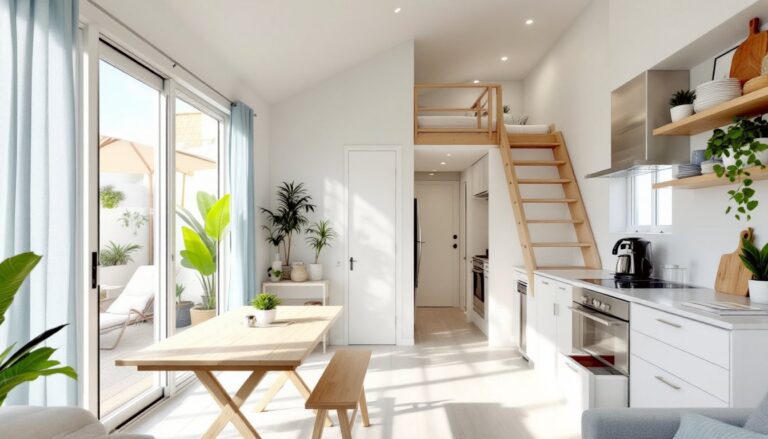
Size and layout matter more than you might expect. Most North Carolina tiny homes range from 300 to 900 square feet, with the sweet spot around 500–700 square feet for residential resale appeal. Smaller means lower utility bills but fewer hosting options: larger means higher cost and ongoing expenses. Common layouts include open-plan living with a lofted bedroom, full kitchen, bathroom, and small dining area.
Features to inspect carefully: Insulation and air sealing (North Carolina’s mild winters and humid summers demand good vapor control): water systems (especially if off-grid or on well): electrical capacity (sufficient for modern appliances without constant panel upgrades): and foundation type (poured concrete, pier-and-beam, or trailer frame each has cost and longevity implications). How to Build a outlines construction standards that professionals should meet.
How To Find And Evaluate Tiny Homes In The State
Finding tiny homes in North Carolina requires patience and knowledge of where to look. Dedicated platforms like Zillow, Realtor.com, and Redfin let you filter for “tiny homes” or <400 square feet, though the filtering isn’t always accurate. Specialist brokers in Asheville and Charlotte focus on tiny homes: a simple Google search for “tiny home realtor Asheville” or “tiny home communities Charlotte” will surface local agents with portfolios.
Online communities and forums (Tiny House Builders NC on Facebook, r/TinyHomes on Reddit) connect buyers with sellers and builders. Many North Carolina tiny homes never hit the MLS, they’re sold directly between builder and buyer or through word-of-mouth.
When you’ve found a prospect, inspection is non-negotiable. Hire a home inspector who understands tiny homes and off-grid systems (standard inspectors sometimes miss details in compact layouts). Verify zoning and permits: ask the seller for proof of variance approval, building permits, and certificate of occupancy. In North Carolina, many tiny homes exist in legal gray zones because they were built before local codes tightened or because counties simply don’t enforce rigorously. Do not assume legality, contact the county planning and zoning office directly.
Also, research water and septic: North Carolina requires licensed septic contractors for system design. If the home is on well/septic, verify the system passed all inspections and has documented maintenance records. Tiny Homes for Beginners: provides foundational buyer checklists.
Financing And Legal Considerations For Tiny Home Buyers
Financing a tiny home in North Carolina can be trickier than buying a conventional house. Traditional mortgages are available, but appraisals often lag behind market reality, an appraiser might assign a lower value than you paid because comparable sales are thin. Some lenders (especially credit unions and local banks) specialize in tiny home mortgages: national banks often pass.
Cash purchases and owner financing are common in North Carolina’s tiny home market. If the seller holds the note, you’ll negotiate terms directly, typically 15–30 years, 5–8% interest, 20–30% down. Have a real estate attorney review any owner-financed deal: protections vary widely.
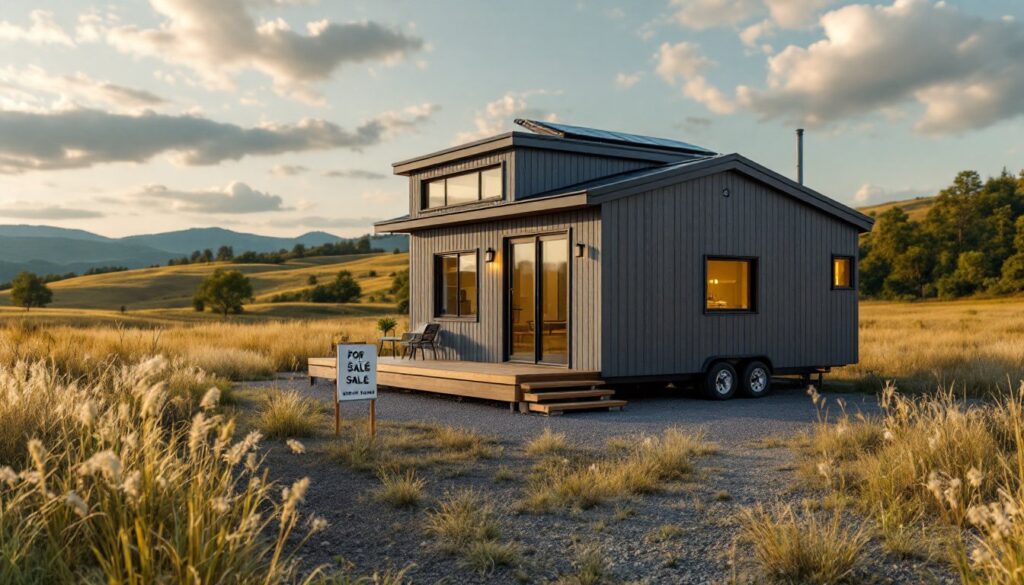
Mobile home vs. permanent foundation affects financing sharply. Tiny homes on trailers (RV-style) qualify as personal property in many cases, not real estate. Lenders treat them like RV loans, shorter terms, higher rates, no equity build. Tiny homes on permanent foundations (concrete piers, full basement) qualify as real estate, unlock better financing, and build equity faster. If you’re financing, insist on a permanent foundation.
Legally, zoning is the biggest wildcard. North Carolina’s comprehensive plans don’t ban tiny homes outright, but county zoning codes vary dramatically. Rural unzoned areas are most permissive. Urban and suburban areas often require minimum lot sizes or dwelling square footage. Before you make an offer, contact the county planning and zoning office and ask: “Can I legally place a [300-square-foot/400-square-foot] dwelling on this parcel?” Get a written response.
Permits are another variable. A completed tiny home without permits is a legal liability, you can’t sell it easily, insurance is problematic, and the county can issue cease-and-desist orders. Best Tiny Homes for highlights homes with full permitting. Conversely, many older tiny homes in North Carolina were built under grandfathering rules or before codes tightened: they’re legal to live in but may not be insurable or sellable without a variance or legalization process. Ask the seller for all permits and certificates of occupancy.