Montana’s wide-open spaces and rugged landscape make it an unexpected but ideal setting for the tiny home movement. With soaring real estate prices and a cultural shift toward simpler living, more people are choosing compact, efficient homes in Montana’s small towns and rural areas. Whether you’re drawn to the lifestyle, the cost savings, or the sustainable footprint, tiny homes in Montana offer a practical path to downsizing without sacrificing quality or community. This guide walks you through the why, the how, and the what-to-watch-out-for when considering a tiny home in Big Sky Country.
Table of Contents
ToggleKey Takeaways
- Tiny homes in Montana offer significant affordability advantages, with site-built homes typically costing $45,000–$75,000 to construct plus land, compared to $150,000–$270,000+ for traditional houses.
- Montana’s favorable zoning laws, abundant affordable land, and cultural alignment with sustainability make tiny homes in Montana an increasingly practical housing solution.
- Proper weatherproofing is critical in Montana’s climate—invest in high insulation (R-30 to R-38 in walls, R-49 to R-60 in roofs), triple-pane windows, and robust air sealing to avoid costly mold and structural damage.
- Operating costs for tiny homes are 40–50% lower than traditional homes, saving $100–$200 monthly on utilities, though hidden costs like septic systems ($3,000–$8,000) and permits can add $10,000–$30,000 to your project.
- Rustic mountain cabins and contemporary minimalist designs dominate Montana’s tiny home market, with hybrid designs combining reclaimed wood details and modern efficiency gaining popularity in 2026.
- Verify local zoning regulations early—some Montana towns enforce minimum square footage requirements (1,000–1,500 sq ft) or prohibit small dwellings, while rural areas typically allow residential structures on 5+ acre parcels with fewer restrictions.
Why Montana Is Becoming A Tiny Home Haven
Montana’s combination of affordable land, a forward-thinking population, and zoning flexibility has created ideal conditions for tiny home growth. Unlike densely populated states, Montana communities often embrace alternative housing because the concept doesn’t threaten neighborhood character, there’s simply more room.
Affordability is the primary draw. A tiny home on a couple of acres in rural Montana can cost a fraction of what a traditional house would in urban centers. Land prices remain reasonable, especially in smaller towns like Kalispell, Missoula, and Bozeman’s outskirts. The lower purchase price also means lower property taxes, utilities, and maintenance costs.
Culturally, Montanans value self-reliance and efficient living. The state’s outdoor heritage and environmental consciousness align naturally with the sustainability benefits of downsizing, less energy consumption, smaller carbon footprint, and reduced material waste. Also, how to build a tiny home from planning to construction has become more accessible with online resources and local builders gaining expertise.
Permitting and zoning laws, while still variable by jurisdiction, tend to be less restrictive than in many western states. Several Montana counties have proactively updated regulations to accommodate tiny homes, recognizing their role in solving housing shortages and offering middle-class affordability.
Popular Tiny Home Designs and Styles in Montana
Rustic Mountain Cabins and Contemporary Designs
Montana’s tiny homes reflect the state’s landscape and lifestyle. Two dominant styles have emerged: rustic mountain cabins and minimalist contemporary designs.
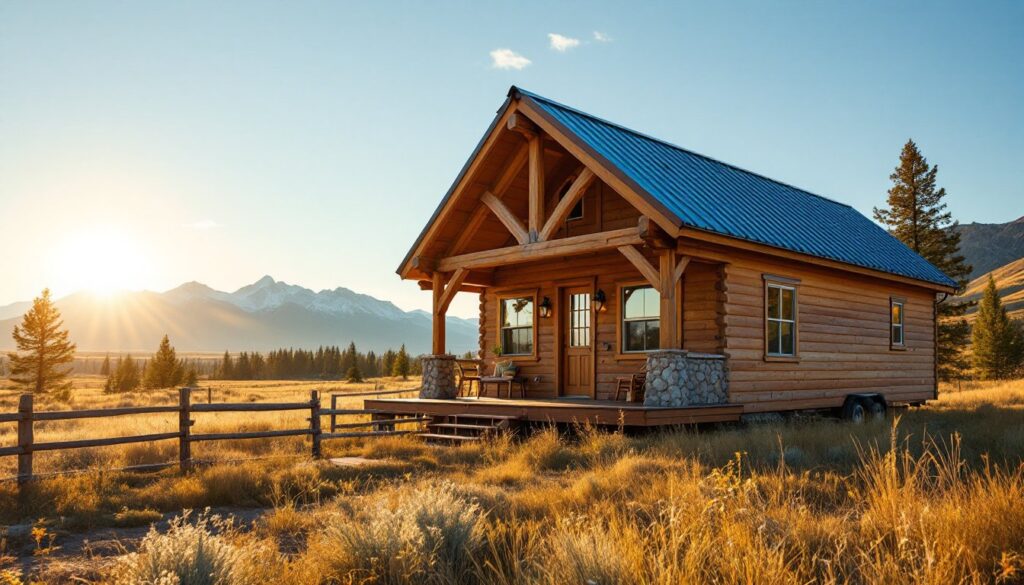
Rustic mountain cabins draw on Montana’s frontier heritage. Think natural wood siding, pitched metal roofs designed for snow load, and stone or wood accents. These homes typically feature open floor plans with sleeping lofts, wood-burning stoves for supplemental heating, and wide porches that extend living space outdoors. Reclaimed barn wood and local stone are common finishes. This aesthetic appeals to those seeking a cabin retreat feel while maintaining a year-round residence.
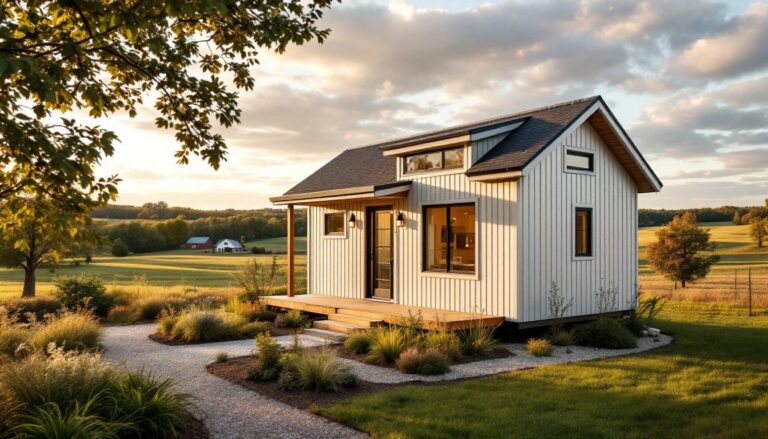
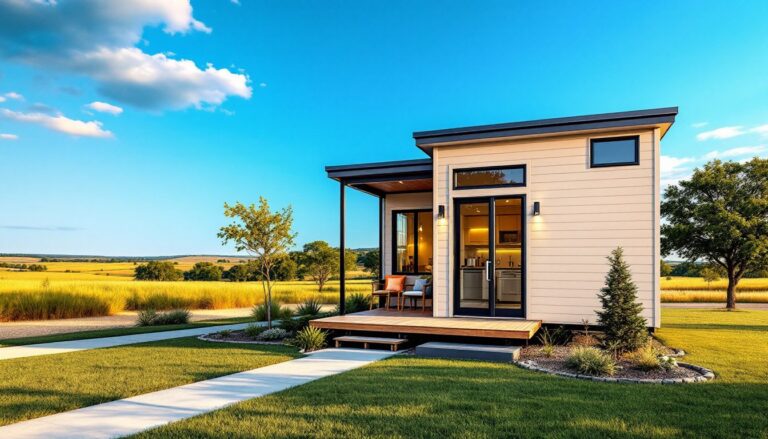
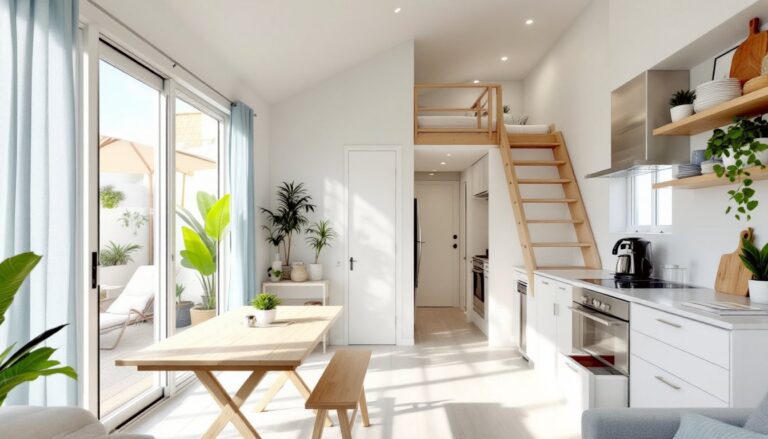
Contemporary tiny homes, by contrast, prioritize minimalism and efficiency. Clean lines, large windows, open shelving, and multi-functional furniture define the approach. Exterior materials often include vertical siding, steel accents, or corrugated metal. Interiors maximize natural light and use neutral palettes to amplify perceived space. These designs attract eco-conscious builders and those who want modern convenience in a compact footprint.
Hybrid designs, mixing rustic charm with contemporary function, are increasingly popular. A home might combine reclaimed wood details with a modern kitchen and heat pump system. Tiny homes trends for 2026 show a shift toward performance-driven design, where aesthetics serve energy efficiency and durability in Montana’s variable climate.
Legal Requirements and Zoning Regulations for Montana Tiny Homes
Before purchasing land or breaking ground, understand local regulations, they vary significantly across Montana counties and municipalities.
Zoning and land use. Most Montana counties allow residential structures on rural parcels of 5+ acres with minimal restrictions. But, incorporated towns may require homes to meet minimum square footage (often 1,000–1,500 sq ft) or prohibit single-family dwellings below certain sizes. Contact your county assessor or planning department early to confirm what’s permitted on your intended parcel.
Building codes. Montana adopts the International Building Code (IBC) with state amendments. Tiny homes must meet the same structural, electrical, plumbing, and mechanical standards as full-size houses. This includes foundation requirements, egress windows (bedroom exits), ceiling height minimums, and ventilation standards. Deviation from these codes typically requires a variance or waiver, which adds time and cost.
Permits and inspections. Nearly all Montana jurisdictions require building permits for residential construction. Permit costs typically range from $300–$1,000+, depending on project scope. Plan on multiple inspections: foundation, framing, mechanical (HVAC/plumbing/electrical), and final. Budget 4–8 weeks for permitting and inspection cycles.
Septic and well systems. If not connected to municipal sewer and water, you’ll need septic system approval from the county health department and a well permit. Septic system costs run $3,000–$8,000: well drilling varies by depth but often costs $2,000–$5,000+. Both require soil testing and design approval before installation.
Manufactured vs. site-built. Trailers or mobile tiny homes are subject to stricter regulations and may not qualify for financing in all areas. Site-built tiny homes on a foundation are treated like traditional houses and have broader lender acceptance.
Building and Design Tips for Montana’s Climate
Weatherproofing and Insulation Strategies
Montana’s climate, long, cold winters and short summers with occasional hail, demands ruthless attention to weather sealing and thermal performance. Failure here means frozen pipes, ice damming, and utility bills that erase your savings.
Insulation levels. Aim for R-30 to R-38 in walls and R-49 to R-60 in the roof. These exceed code minimums but pay for themselves in reduced heating costs. Closed-cell spray foam (R-6+ per inch) is excellent but expensive. Fiberglass batts are budget-friendly and adequate if installed with care. Rock wool splits the difference. Don’t skimp on the attic, that’s where 30% of heat loss occurs.
Foundations and frost depth. Montana’s frost line varies but often reaches 3.5–4 feet deep. Your foundation must extend below this to prevent frost heave, which cracks slabs and shifts structures. Concrete piers or stem walls are standard: concrete slabs require careful grading and drainage. Get a soils report: it’s a $500 investment that prevents a $50,000 repair.
Roofing and snow load. Metal roofs are popular in Montana for durability and snow shedding. Design roof pitch at 6:12 or steeper to encourage snow slide-off and reduce accumulation weight. Check the IRC snow load requirement for your location, Kalispell and mountain areas may require 50+ psf (pounds per square foot) capacity. Undersized roofs fail catastrophically.
Air sealing and vapor barriers. Tiny homes are more vulnerable to condensation and moisture problems because interior volume is small relative to surface area. Use 6-mil polyethylene or spray foam as a continuous vapor barrier, sealed at all penetrations (pipes, wires, ducts). Caulk and foam gun work are critical, half-measures lead to mold inside walls.
Windows and doors. Triple-pane windows with low-E coatings are worth the cost in Montana. Choose U-values below 0.25. Fiberglass or composite doors outperform wood. Install storm doors for a second air barrier in winter. Tight seals around frames matter: poor installation negates the window’s rating.
Mechanical systems. A cold-climate heat pump paired with a backup propane heater handles Montana winters without ductwork clutter. Modern mini-splits are quiet and efficient. Size your water heater appropriately, oversizing wastes energy: undersizing runs you out of hot water. Consider a tankless propane unit for efficiency, but understand the upfront cost ($1,500–$3,000) versus traditional units.
Cost Comparison: Tiny Homes Versus Traditional Montana Homes
Tiny homes promise affordability, but the math depends on several variables. Land, labor, finishes, and location all shift the equation.
Tiny home costs. A 200–400 sq ft site-built tiny home in Montana typically costs $150–$250 per sq ft for construction (materials and labor). A 300 sq ft home might total $45,000–$75,000 to build: add land ($5,000–$20,000 per acre) and site prep, and your all-in cost is often $60,000–$120,000. Owner-builders who do sweat equity can cut this by 30–50%.
Traditional homes. A modest 1,500 sq ft home in Montana runs $100–$180 per sq ft, totaling $150,000–$270,000+ before land. Larger homes on valuable properties climb much higher. Tiny homes versus traditional houses comparison shows tiny homes win on purchase price, but quality finishes, site-specific costs, and labor rates narrow the gap.
Operating costs. Annual heating, cooling, and electrical consumption for a tiny home is roughly 40–50% lower than a traditional home. A tiny home might cost $100–$200/month in utilities: a conventional house, $150–$350/month. Over 20 years, that’s a $14,400–$36,000 savings, significant but not transformative.
Financing challenges. Lenders hesitate on tiny homes under $100,000 or on non-traditional lots. You may need a construction loan (higher rates, shorter terms) rather than a traditional mortgage. Some tiny home owners pay cash to sidestep lending complications.
Hidden costs. Septic/well systems, site access roads, foundation preparation, and permits can easily add $10,000–$30,000. If your land requires extensive grading, excavation, or utility trenching, costs spike. Always get detailed site surveys and soil reports before committing to a location.